By 2025, the Latin music conversation has shifted in ways few predicted. Reggaeton and trap latino still move units, but the breakout cultural moment belongs to something older and earthier — the revival of regional Mexican sounds, cumbia, and genre-blending roots music that algorithms are suddenly very good at surfacing to diaspora listeners who didn't even know they were hungry for it.
Three Trends Reshaping the Latin Sound
First, streaming geography is collapsing in productive ways. Spotify's Latin editorial playlists — Cumbia Sonidera, Viva Latino, ¡Viva México! — are now generating listener crossover between markets that never historically shared radio signals. A cumbia track made in California can land on playlists curated for listeners in Bogotá, and vice versa. The algorithmic middle ground between tradition and novelty is wider than ever.
Second, mood-based discovery is favoring uptempo, feel-good music. Following the post-pandemic appetite for joyful, communal listening experiences, platforms are reporting that "happy" and "celebratory" mood tags consistently outperform melancholic or aggressive categories in skip rates and save-to-library behavior. Cumbia's inherently kinetic, celebratory DNA puts it in an advantageous position heading into 2026.
Third, the U.S. Latino audience is demanding music that reflects its hyphenated identity. Second and third-generation listeners want sounds that feel authentically rooted but speak to their American geography — not just imported nostalgia. Artists who can hold that tension credibly are finding audiences that major labels are still struggling to reach through traditional channels.
Where Manny Cepeda Fits
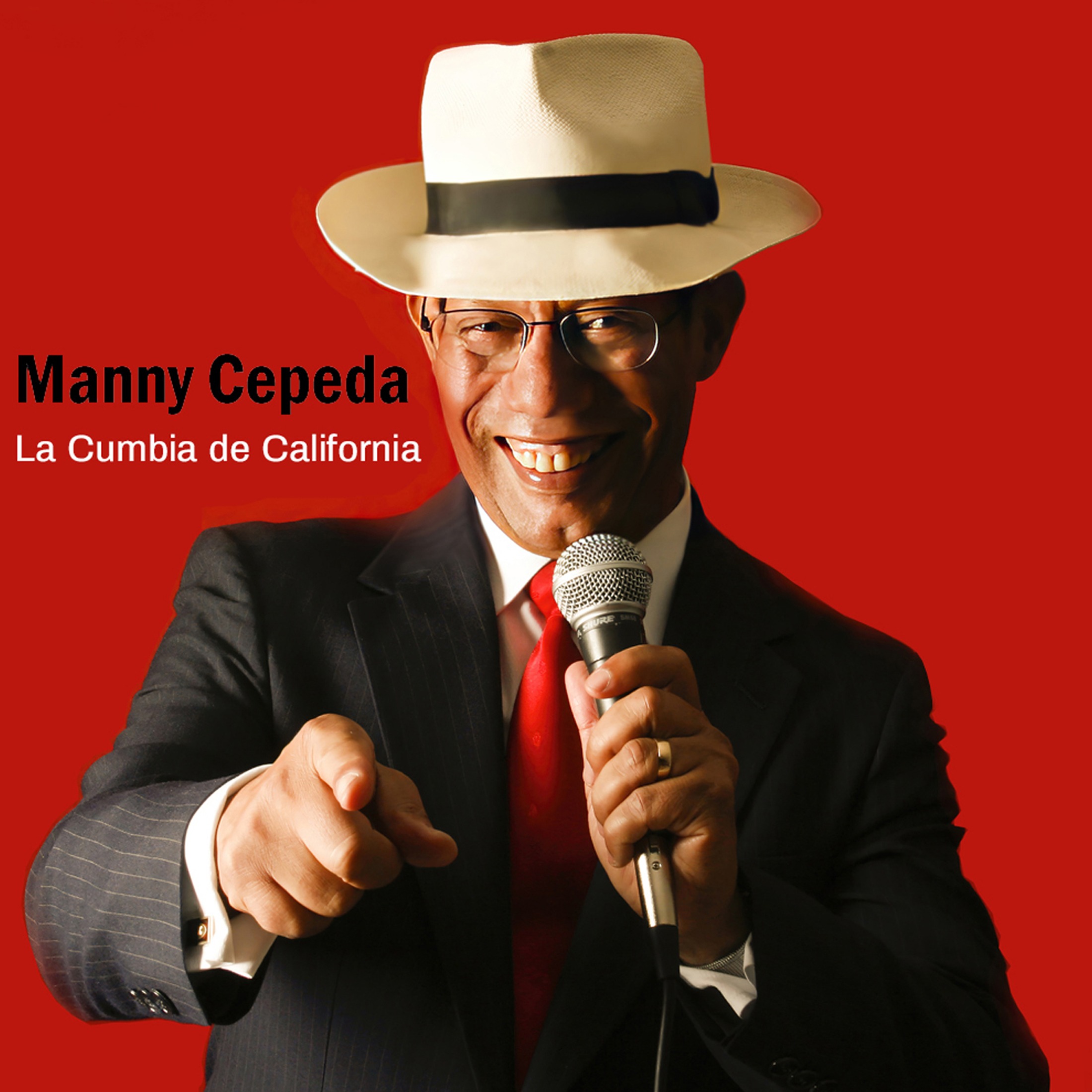
This is precisely the landscape that makes an artist like Manny Cepeda worth paying attention to. Based in the United States, Cepeda is working within cumbia's foundational rhythmic language while grounding it in a distinctly Californian sensibility. Tracks like "La Cumbia de California" do something quietly radical — they plant a pan-Latin genre into specific American soil, creating a geographic identity marker that resonates with listeners who live between cultures. "El Abanico" extends that sensibility, leaning into the warmth and playfulness that define cumbia at its most communal.
Neither track is trying to crossover by sanding down its edges. That authenticity is the point — and in 2025, it's also the strategy.
The next 18 months for Latin regional and cumbia-adjacent music look genuinely electric. With major playlist infrastructure now built to support it and a diaspora audience actively seeking it out, artists working in this space are no longer niche by default. The question is who steps into that opening with something real. Manny Cepeda sounds like someone who already has the answer.