If you want to understand where Latin music is heading, stop looking at Miami and Mexico City for a moment. Look west. The most interesting creative friction in the genre right now is happening in places like the Central Valley, East LA, and the California coast — communities where cumbia, norteño, and tropical rhythms have been quietly evolving for decades, largely ignored by the mainstream industry apparatus. That oversight is finally correcting itself.
Three Shifts Defining Latin Music Right Now
First, streaming has done something unexpected for regional Latin subgenres: it's made geography irrelevant in the best possible way. Cumbia sonidera, once hyper-local to specific Mexican-American communities, now racks up playlist adds from listeners in Spain, Colombia, and Japan. Spotify's Latin mood playlists have widened the entry point dramatically, and listeners are digging deeper into the catalog rather than just chasing chart hits.
Second, the sound itself is hybridizing at an accelerated pace. The rigid walls between cumbia, salsa, tropical pop, and even indie folk have effectively collapsed. Producers are layering accordion lines over modern drum programming, or floating traditional percussion beneath ambient textures. The result feels simultaneously nostalgic and genuinely new — which is precisely the sweet spot audiences are responding to in 2025.
Third, the emotional register of Latin music is shifting. After years of reggaeton dominance built on intensity and provocation, there's a measurable audience appetite for joy — uncomplicated, communal, celebratory music that doesn't require a club context to land.
Where Manny Cepeda Fits
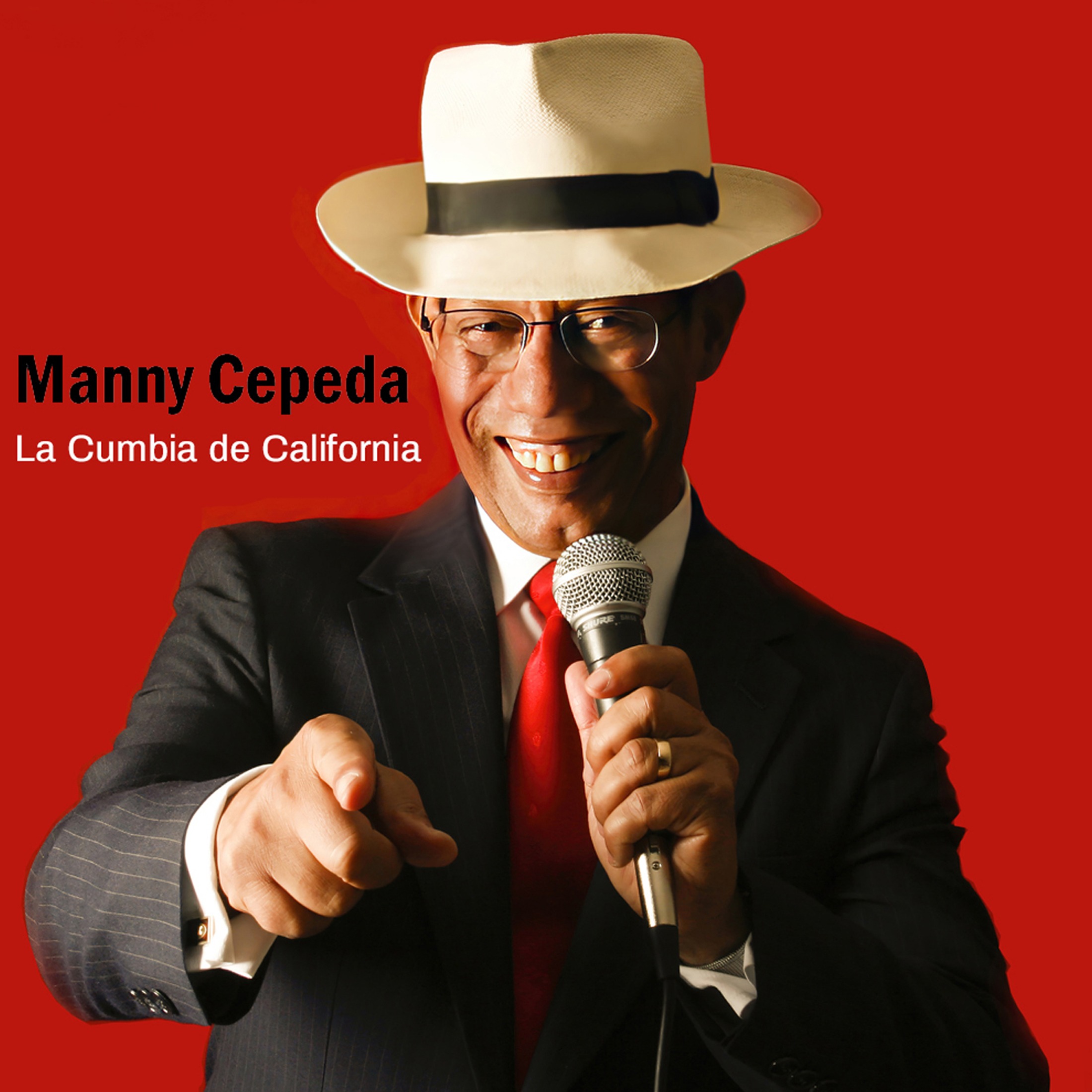
Los Angeles-based Manny Cepeda is working directly inside this cultural moment. His tracks La Cumbia de California and El abanico are rooted in classic cumbia structure but carry a distinctly West Coast sensibility — loose, warm, and unapologetically feel-good. La Cumbia de California in particular reads almost like a regional thesis statement: this is what the form sounds like when it absorbs fifty years of California Latino experience. It's specific without being exclusionary, which is increasingly the hallmark of Latin music that travels.
The happy mood Cepeda operates in isn't accidental or superficial. It's a deliberate creative position in a landscape that rewards authenticity of feeling over production spectacle.
Latin music in 2026 is going to belong to artists who understand their specific cultural geography and translate it outward with confidence. Cepeda is already doing exactly that — and the timing couldn't be better.