Latin music in 2025 is not a monolith — and that's precisely what makes it so compelling right now. After years of reggaeton and trap Latino dominating streaming dashboards and award show narratives, something quieter and more interesting is happening underneath: a full-scale regional revival, where cumbia, norteño, and sonidero traditions are being reclaimed not as nostalgia, but as living, breathing contemporary identity. The numbers back it up. Spotify's internal data has shown consistent double-digit growth in regional Mexican and tropical Latin streams across U.S.-based listeners, particularly in California, Texas, and Illinois — states where second and third-generation Latino communities are actively reaching back toward their sonic roots.
Three Shifts Defining the Moment
First, geography is becoming genre. Where Latin music once exported a unified commercial sound, 2025's most exciting acts are deeply place-specific. Cumbia from Cali sounds nothing like cumbia from Monterrey, and listeners are sophisticated enough to care about that distinction. Second, the mood economy is real. Playlist curators and algorithm architects have both confirmed what artists already knew — joyful, high-energy Latin tracks are outperforming melancholic ones on repeat listen metrics. Happy music doesn't just feel good; it performs. Third, the diaspora audience is driving discovery. U.S.-born Latino listeners are increasingly the tastemakers for global Latin trends, not just consumers of them. That's a structural power shift with real consequences for which artists break through.
Where Manny Cepeda Fits
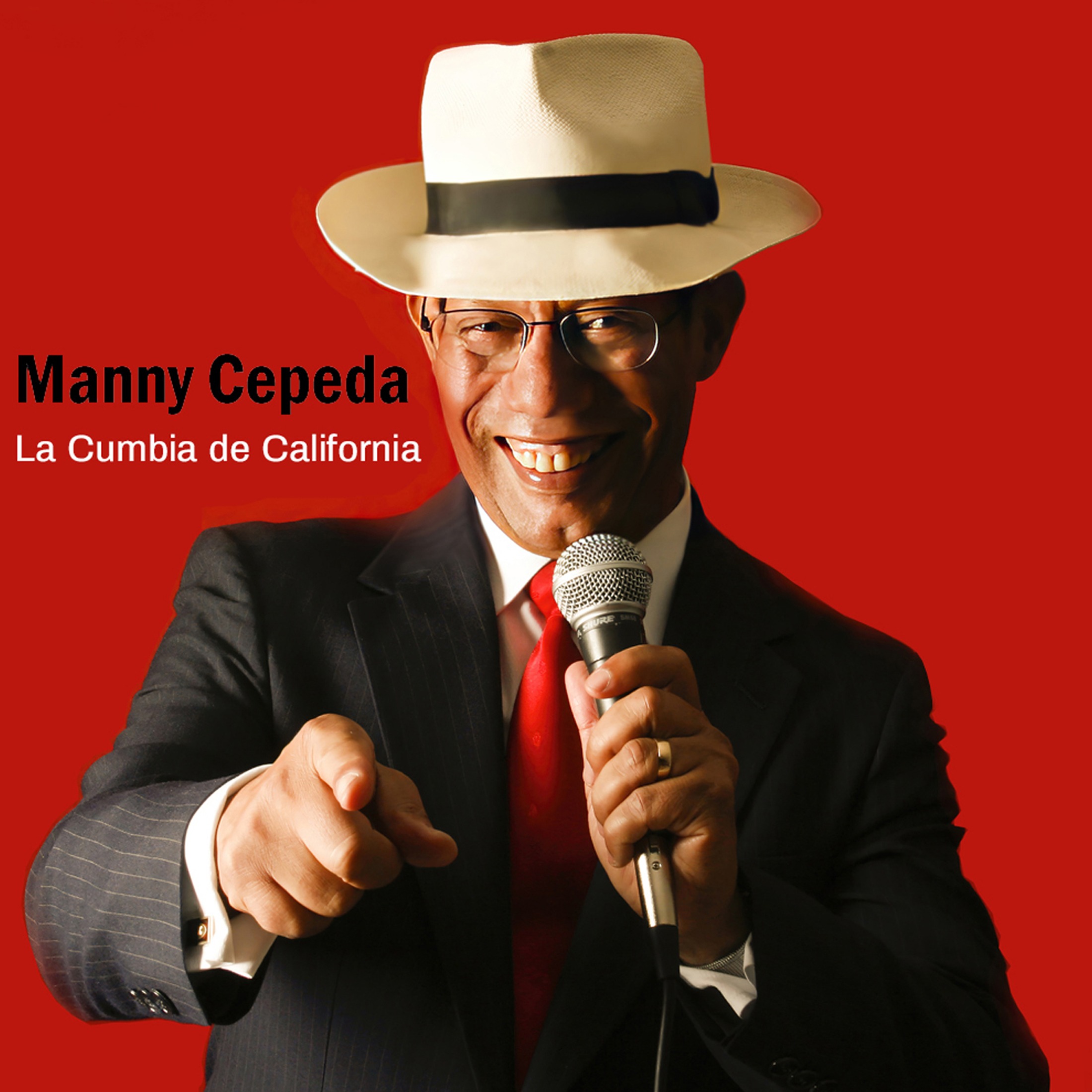
Enter Manny Cepeda, a U.S.-based artist whose tracks "La Cumbia de California" and "El Abanico" arrive at exactly the right cultural intersection. The California framing of "La Cumbia de California" isn't incidental — it's a declaration. It plants cumbia firmly in American soil without apologizing for its roots, the kind of move that resonates deeply with diaspora listeners hungry for music that reflects their actual lives. Meanwhile, "El Abanico" carries the buoyant, percussive energy that defines what programmers are calling feel-good tropical — a sound that travels well across DSP moods playlists and radio formats alike. Cepeda isn't chasing trends so much as embodying the conditions that created them.
Why Now
The next eighteen months will likely produce Latin music's most interesting regional crossover moment since the late '90s banda explosion. The infrastructure — streaming, social, diaspora taste-making — is finally aligned with the music. Artists like Manny Cepeda, rooted in tradition but unafraid of geography as identity, are exactly who this moment was waiting for.