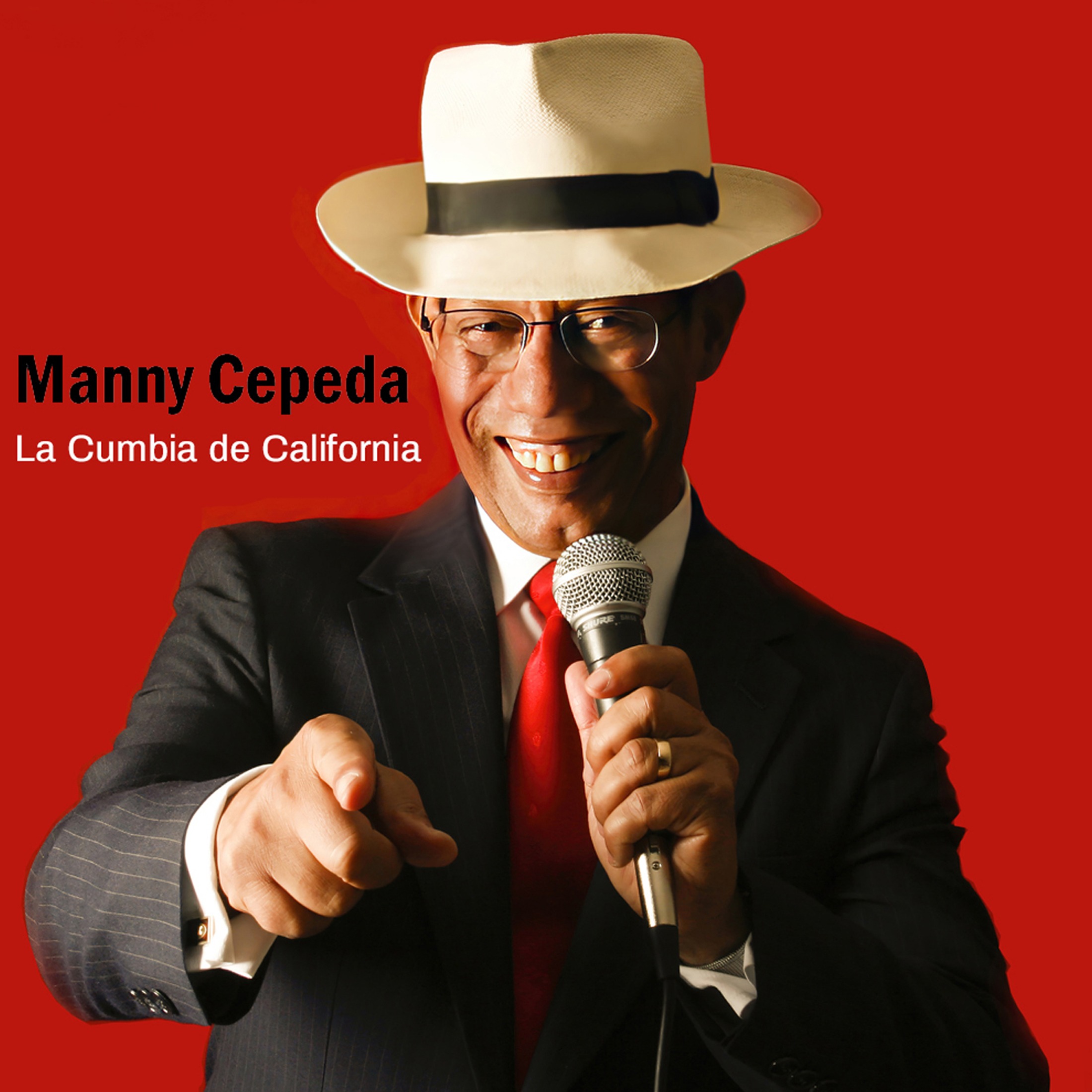
By 2025, the Latin music conversation has moved well beyond the reggaeton dominance that defined the previous decade. Yes, Bad Bunny still moves numbers. Yes, the corridos tumbados wave shows no signs of cresting. But something quieter and arguably more significant is happening underneath those headlines — a rediscovery of Latin music's regional DNA, and a growing appetite among younger listeners for sounds that carry actual geographic memory.
Three Forces Reshaping the Latin Landscape
First, streaming algorithms have stopped flattening Latin music into a single category. Spotify's and Apple Music's increasingly granular genre tagging — distinguishing cumbia from vallenato, norteño from banda — has created discovery pathways that didn't exist five years ago. Regional sounds are finding global audiences without needing to compromise their identity first.
Second, the U.S. Latino identity conversation is getting more specific. Second and third-generation listeners, particularly on the West Coast, are actively seeking music that reflects hyphenated realities — not just broadly Latin, but Mexican-American, Colombian-American, Californian in the truest sense. This isn't nostalgia; it's cultural precision.
Third, joyful music is genuinely back. After years of melancholic trap and emotionally exhausted pop dominating playlists, data from playlist curators shows a measurable shift toward upbeat, movement-driven music. Cumbia, with its irresistible rhythmic architecture, sits perfectly at that intersection.
Where Manny Cepeda Fits In
Manny Cepeda's tracks La Cumbia de California and El Abanico arrive at exactly the right cultural moment. Both tracks carry that distinctly West Coast Latino sensibility — cumbia rhythms that feel lived-in rather than performed, with a warmth and happiness baked into every measure. La Cumbia de California in particular functions almost as a geographic statement: this is what the tradition sounds like when it's been filtered through generations of California sun, freeway stretches, and backyard quinceañeras.
El Abanico demonstrates a different dimension — lighter, more playful, but equally rooted. Together, the two tracks suggest an artist who understands that regional music's power comes from specificity, not universality.
Why Right Now Matters
The Latin music ecosystem in 2025 and 2026 is rare in its openness. The mainstream is hungry for textures beyond the familiar, regional sounds have genuine algorithmic support, and the audience most likely to champion artists like Manny Cepeda — culturally conscious, streaming-fluent, proud of their roots — is larger and more vocal than ever. The timing isn't lucky. It's earned.