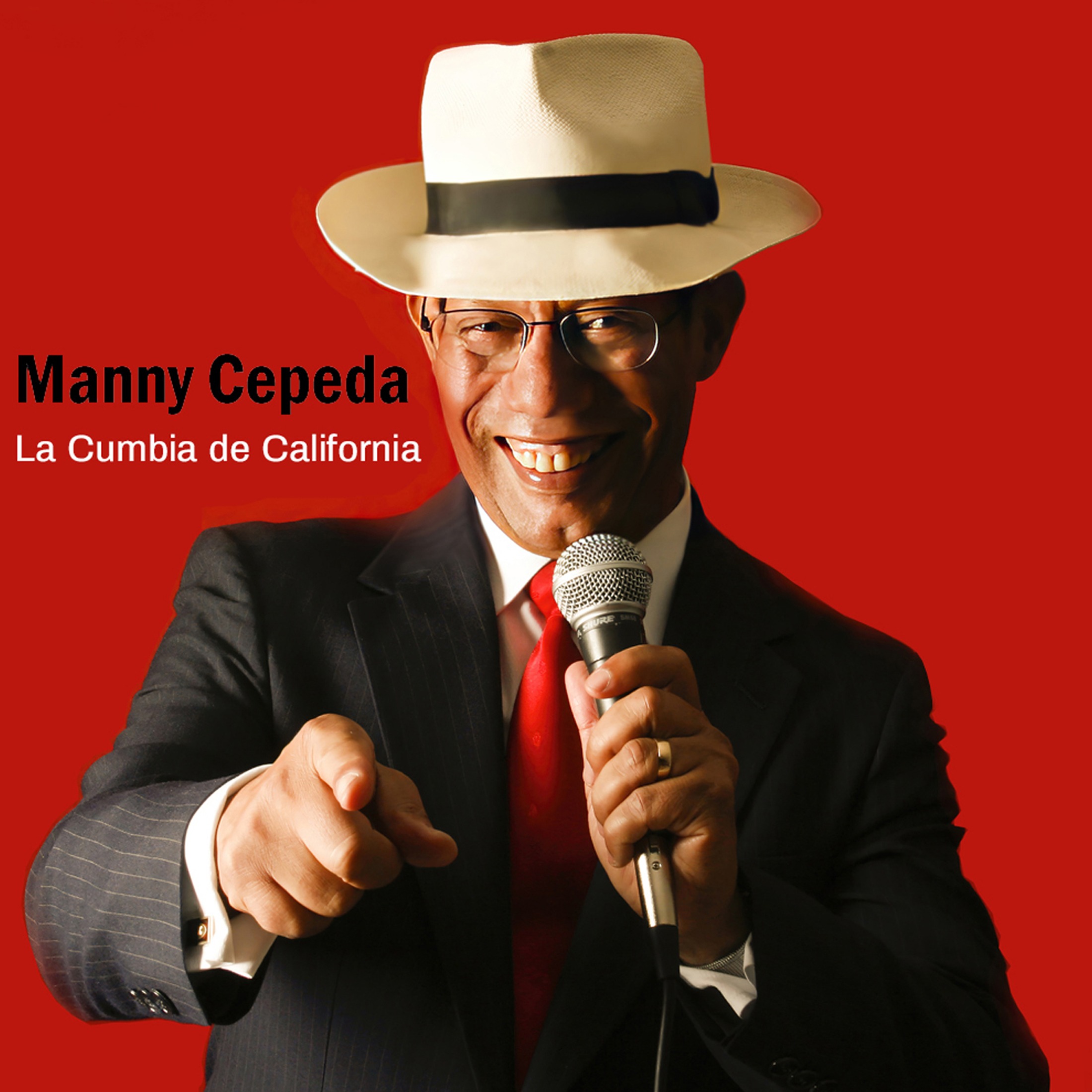
Latin music doesn't slow down. It mutates. And in 2025, the mutation is happening in places the industry didn't fully anticipate — not just Miami or New York, but California, Texas, the Pacific Northwest — where second and third-generation Latin Americans are reshaping inherited rhythms into something entirely their own.
Three Trends Defining Latin Music Right Now
First, streaming geography is flattening. Spotify and Apple Music data consistently show that regional Latin subgenres — cumbia, norteño, banda — are pulling massive numbers outside their traditional strongholds. Cumbia, once largely contained to Mexican and Colombian diaspora communities, is now charting in playlists alongside reggaeton and Latin pop. Listeners are hungry for texture and roots, not just polish.
Second, the mood economy is real. Algorithmic playlisting has made emotional tagging as important as genre classification. Happy, celebratory, danceable tracks are getting disproportionate placement in morning commute and workout playlists — categories that didn't traditionally favor Latin regional sounds. That's a structural advantage for artists who build their catalog around joy rather than heartbreak.
Third, the U.S.-born Latin artist is having a genuine moment. The narrative used to default to artists crossing over from Mexico, Colombia, or Puerto Rico. Now, American-raised musicians fluent in both English cultural contexts and Spanish musical traditions are carving out a distinct lane — one that feels authentic to lived experience rather than imported identity.
Where Manny Cepeda Fits
Los Angeles-based Manny Cepeda is working exactly this intersection. His tracks "La Cumbia de California" and "El Abanico" don't sound like museum pieces or nostalgia exercises. They sound like cumbia that grew up with California light on it — familiar in structure, fresh in energy, and unambiguously happy in a way that algorithmic platforms actively reward. "La Cumbia de California" in particular does something clever: it plants a regional identity flag right in the title, which matters enormously in an era when playlist curators and Shazam searches are geo-tagged.
Cepeda isn't trying to out-produce reggaeton or chase trap-Latin hybrids. He's doubling down on rhythm, warmth, and accessibility — qualities that wear well across repeat listens and translate easily across demographics.
Why Now
The next 18 months will be decisive for this corner of Latin music. As major labels chase the next urban Latin crossover, the cumbia and regional folk lane remains genuinely open. Artists like Manny Cepeda who are already there, already consistent, and already sonically defined are positioned better than they've been in a decade. The platform is ready. The audience is ready. The only question is who shows up.