Latin music in 2025 is not a monolith — and that's precisely the point. While reggaeton and Bad Bunny-adjacent urbano still dominate Spotify's global charts, something more interesting is happening in the margins. Regional Mexican exploded the conversation wide open over the past two years, proving that genre specificity, not genre dilution, is what breaks through the noise. Corridos tumbados gave way to sierreño hybrids, and now cumbia — that endlessly adaptable Colombian export that quietly became the connective tissue of Latin America's working class — is having its most articulate U.S. moment in decades.
Three Shifts Rewriting the Rulebook
First, streaming geography is collapsing. Playlists like Viva Latino and ¡Arriba! now sit alongside hyper-curated regional playlists that didn't exist three years ago. Algorithms are rewarding authenticity signals — language, instrumentation, regional markers — over polished crossover bids. Artists who sound like somewhere specific are winning placement over artists who sound like everywhere general.
Second, cumbia's sonic palette is expanding without losing its pulse. From Grupo Frontera's accordion-forward throwbacks to the California tropical scene quietly thriving in San Bernardino and Fresno, producers are letting the clave breathe while folding in contemporary production textures. The accordion stays. The handclaps stay. But the arrangements are getting smarter, shinier, and increasingly bilingual in their cultural references even when the lyrics stay Spanish.
Third, the U.S.-born Latino audience is actively reclaiming roots music as an identity statement. This isn't nostalgia — it's assertion. Second and third-generation listeners are streaming cumbia, norteño, and tropical sounds with the same intentionality that younger Black American audiences brought back to Afrobeat and blues-rooted soul. Music as cultural anchor.
Where Manny Cepeda Fits
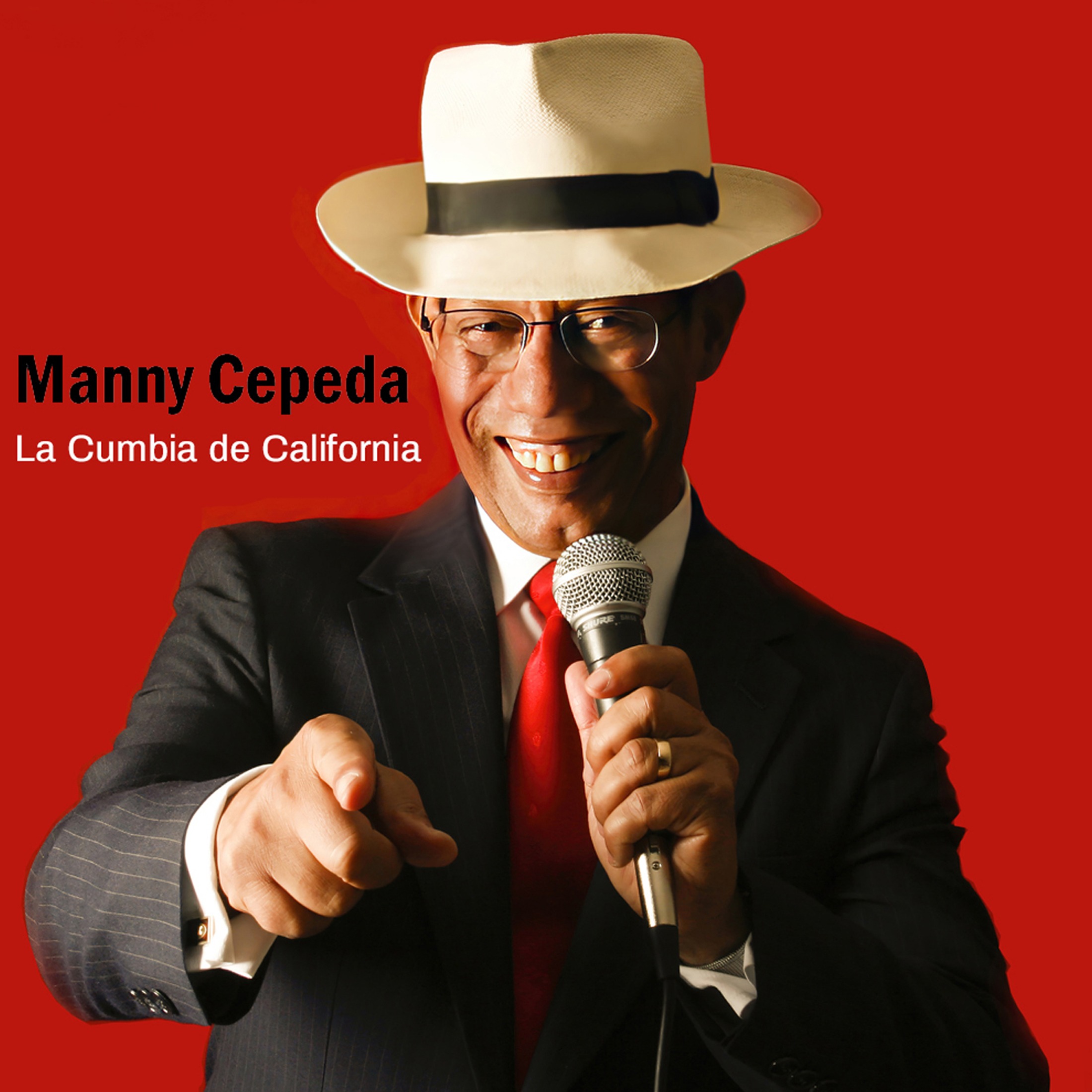
Enter Manny Cepeda, a U.S.-based artist whose tracks "La Cumbia de California" and "El Abanico" feel like direct dispatches from this moment. The geographic specificity in "La Cumbia de California" is a statement of intent — this is cumbia claimed, transplanted, and re-rooted in American soil without apology. "El Abanico" carries that same upbeat, celebratory energy, the kind of uncut joy that the best cumbia has always delivered, now with a West Coast address stamped on it.
The mood across both tracks is unapologetically happy — and in 2025, that's not a small thing. Listeners are exhausted by irony. Warmth is back in fashion.
For artists like Manny Cepeda, the conditions have never been more favorable. The infrastructure for regional Latin is finally catching up to the audience. Watch closely.