Latin music in 2025 is not a monolith — and that's precisely what makes it so fascinating to watch. While reggaeton and corridos tumbados continue dominating global streaming charts, something quieter and arguably more significant is happening underneath: a full-throated revival of regional Latin forms, from cumbia to norteño to bolero, now reaching ears that would have seemed impossible five years ago. The algorithm, for once, is working in folk's favor.
Three Trends Reshaping the Latin Landscape
First, streaming geography is flattening. Spotify and Apple Music data consistently show that cumbia playlists — once hyper-regional to Mexico, Colombia, and parts of California — are pulling listeners in Spain, Germany, and across Southeast Asia. The diaspora effect is real: second and third-generation Latin Americans are actively seeking sounds that connect them to heritage, and platforms are responding with dedicated editorial playlists that didn't exist three years ago.
Second, the sonic palette is expanding without losing authenticity. The most compelling Latin artists right now aren't choosing between tradition and modernity — they're refusing the binary entirely. Accordion-forward arrangements sit alongside clean acoustic guitar work, and producers are letting regional textures breathe instead of burying them in 808s. The result sounds warm, lived-in, and genuinely distinct in a streaming landscape crowded with processed sound.
Third, the U.S. Latin market is maturing in fascinating ways. California in particular has emerged as a creative incubator where Mexican-American artists blend border sounds with West Coast sensibilities, producing music that feels both deeply rooted and specifically American — a conversation rather than a copy.
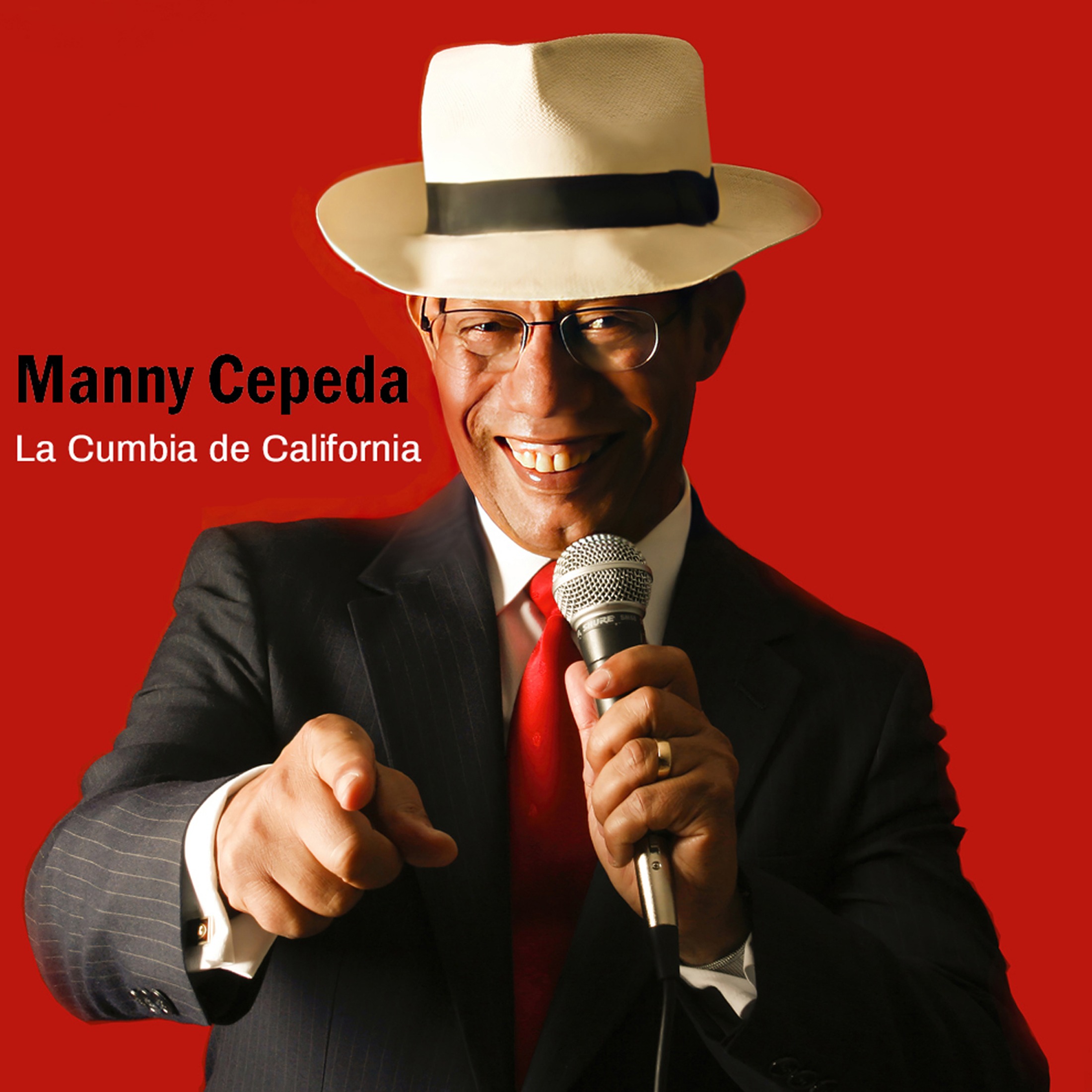
Where Manny Cepeda Fits In
This is the landscape into which Manny Cepeda steps with real confidence. His tracks La Cumbia de California and El abanico arrive at exactly the right cultural moment. La Cumbia de California does something smart: it names its geography proudly, planting a flag in the regional revival while signaling a distinctly U.S. perspective on the form. There's an optimism to Cepeda's approach — a lightness of touch — that aligns with what listeners increasingly want from regional Latin music: joy without irony, groove without aggression.
El abanico reinforces this. The mood is celebratory, the energy social, the intent clear. Cepeda isn't chasing a trend so much as embodying one.
The next eighteen months will likely see regional Latin forms fully crossover into mainstream editorial consciousness. Artists like Manny Cepeda, working at the intersection of tradition and contemporary California identity, are exactly who that story will be written about.