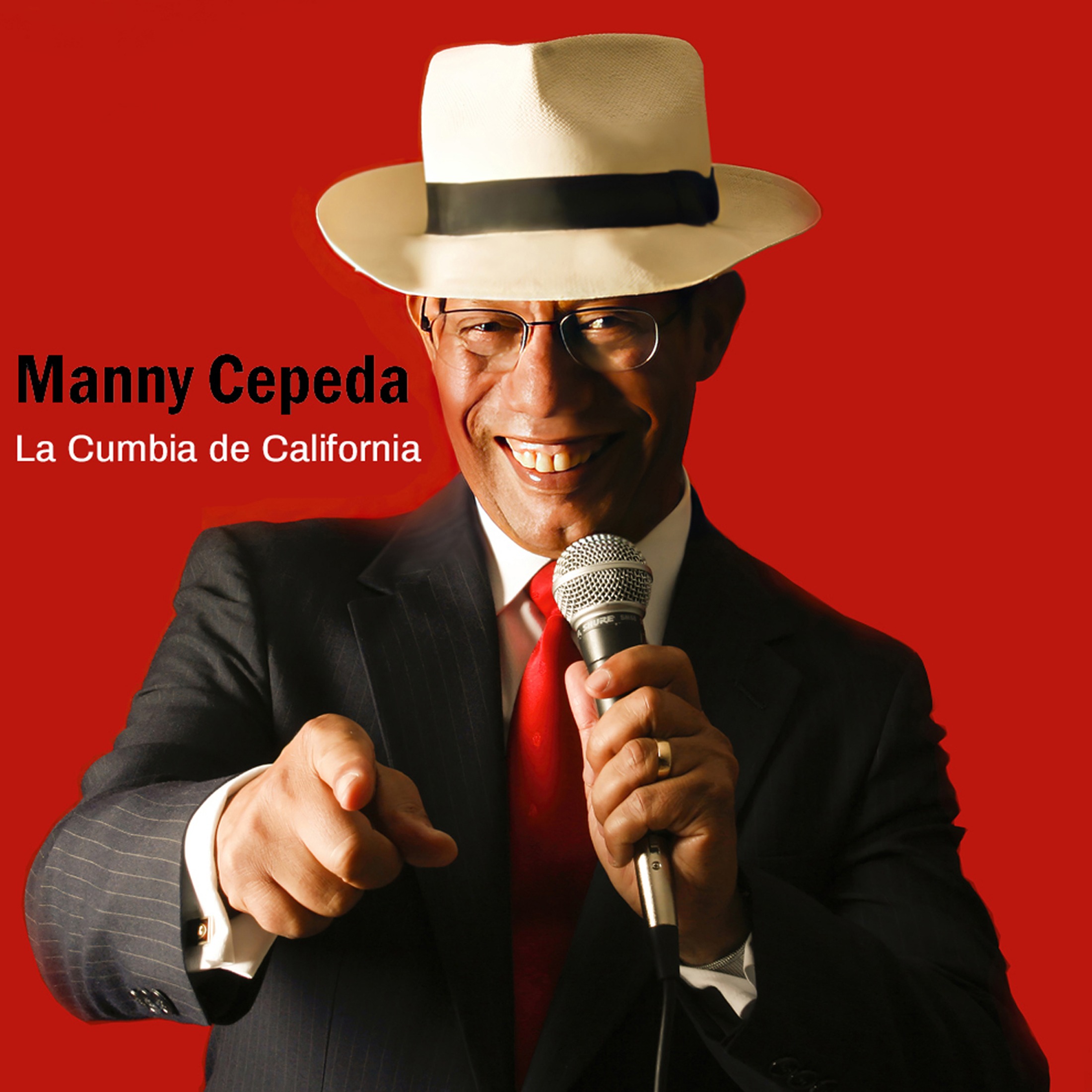
Some musicians learn their craft. Others are born into it. Manny Cepeda is decidedly the latter. A proud member of Puerto Rico's legendary Cepeda family — a dynasty synonymous with the very roots of Latin music — Manny didn't just inherit a surname. He inherited a calling.
His story begins in San Juan, Puerto Rico, where a young Manny stepped onto the professional stage as the drummer and timbale player for the celebrated variety television program "Show de Vigoreaux" on Channel 4. It was just the beginning. From there, he shared stages and studio time with Latin heavyweights including Richie Ray, Willie Colón, and Babo Jiménez — names that carry enormous weight in salsa and Latin music history. To hold your own alongside those artists at any age is remarkable. To do it early in your career is extraordinary.
A World Stage, Literally
Few musicians can claim a performance résumé that spans South America, West Africa, the Caribbean, and Europe, but Manny Cepeda is not most musicians. As the leader of the prestigious U.S. Navy Show Band and the celebrated Navy Steel Band, he brought the infectious energy of Latin rhythm to dignitaries, festival crowds, and audiences across multiple continents. Music, for Manny, has never had borders.
San Diego's Latin Jazz Architect
Today, Manny is based in San Diego, California, where he fronts his own salsa band and continues composing and arranging Latin jazz for top-tier musicians across San Diego, New York, and Puerto Rico. A Latin Grammy nominee in 2017, his credentials speak volumes — but it's the music itself that truly makes the case.
His tracks "La Cumbia de California" and "El Abanico" are the perfect entry points for new listeners. Warm, rhythmically alive, and steeped in authentic Latin tradition, they carry the easy confidence of someone who has spent over five decades mastering his art. There's nothing forced here — just pure, joyful, deeply human music.
If you've been looking for something real in a world of manufactured sound, Manny Cepeda is exactly what you need to hear. Hit play. You'll understand immediately.