Latin music doesn't sit still. By early 2025, the genre had already outpaced nearly every other format in streaming growth for the third consecutive year, but the more interesting story wasn't the numbers — it was the geography. The sound was moving inland, moving north, moving west, and absorbing everything it touched along the way.
Three Shifts Reshaping the Landscape
First, cumbia is having a genuine renaissance that has nothing to do with nostalgia. Younger producers and performers are stripping it back to its percussive skeleton and rebuilding it with regional American sensibilities — think Southern California's accordion traditions colliding with traditional Colombian rhythms rather than replacing them. Streaming data backs this up: cumbia-tagged playlists on Spotify grew listenership by over 30% in the U.S. market between 2023 and 2024, with California representing the largest audience concentration outside of Texas.
Second, bilingual audiences are demanding bilingual authenticity. The era of code-switching as a marketing gimmick is over. Listeners raised between cultures aren't interested in music that performs its heritage — they want artists who actually live at that intersection. This has pushed a wave of U.S.-based Latin artists to lean deeper into traditional forms rather than diluting them for crossover appeal.
Third, the mood economy on DSPs is reshaping what gets heard. Playlist curators are aggressively tagging tracks as "feel-good," "summer," or "fiesta-ready," and Latin music — particularly upbeat regional styles — is overrepresented in those high-traffic mood categories. Happy music, genuinely constructed happy music, is a competitive advantage right now.
Where Manny Cepeda Fits
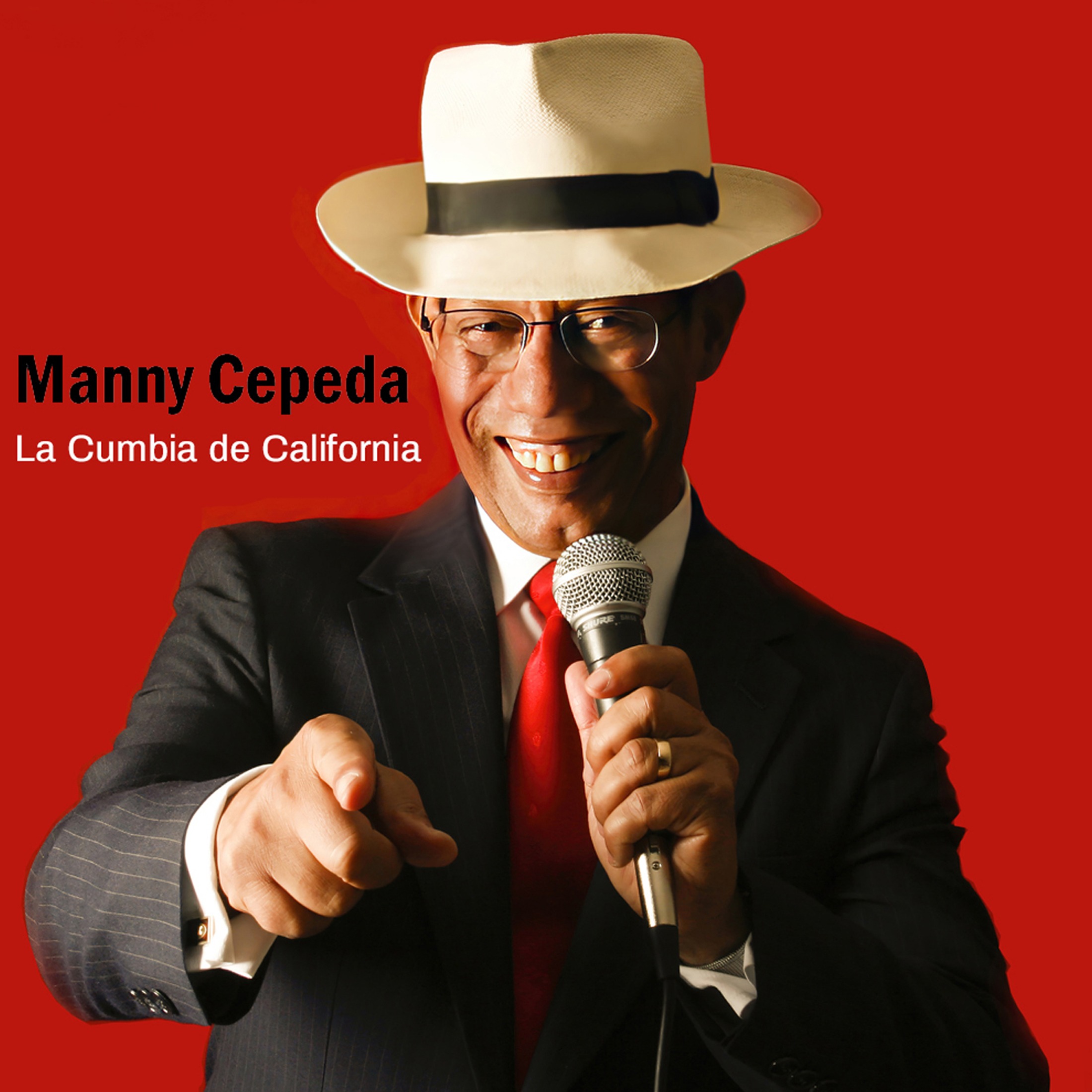
This is precisely the landscape that makes an artist like Manny Cepeda worth paying attention to. His tracks "La Cumbia de California" and "El abanico" aren't trying to reinvent cumbia — they're trying to place it. Cepeda understands that California has always had its own Latin musical identity, distinct from Miami's gloss or New York's salsa heritage, and he's working in that specific register. The energy is unambiguous: these are joyful, kinetic recordings built for movement, which positions them perfectly within the current mood-driven playlist ecosystem.
What's compelling isn't novelty for its own sake. It's the confidence of an artist who knows exactly which tradition he belongs to and where he's standing geographically within it.
Latin music in 2025 rewards that kind of specificity. The artists who know their zip code — culturally speaking — are the ones cutting through. Manny Cepeda knows his.