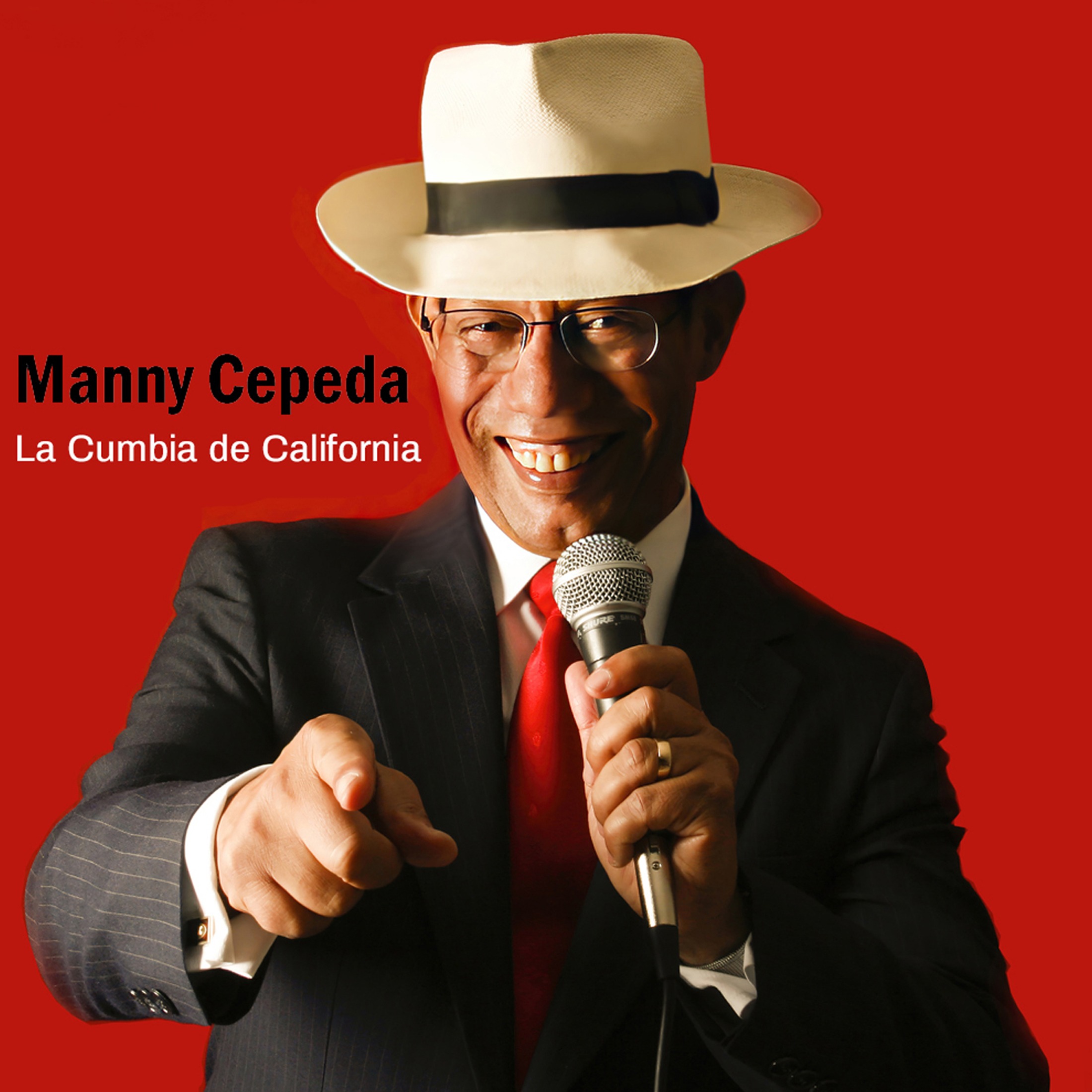
Latin music in 2025 is doing something it hasn't done in decades: fragmenting beautifully. While reggaeton and trap latino continue dominating global streaming charts, the more interesting story is happening underneath — in the regional formats, the folkloric revivals, and the hyphenated American identities that are finding audiences without major label infrastructure. Cumbia, norteño, and son jarocho are no longer novelty acts on the margins. They're the bleeding edge.
Three Shifts Defining Latin Music Right Now
First, streaming has democratized regional sounds in a way radio never could. Spotify's Latin mood playlists and TikTok's algorithm have given cumbia and banda a global on-ramp that bypasses traditional gatekeepers entirely. Monthly listeners for regional Mexican artists jumped over 34% year-over-year in 2024, with U.S.-based acts leading much of that growth.
Second, the sound is evolving through geographic cross-pollination. Artists born and raised in the American Southwest and California are filtering cumbia and traditional Latin forms through lived experience that is neither purely Mexican nor generically American. The result is something genuinely new — rhythmically rooted but culturally bilingual in the deepest sense.
Third, the audience skews younger and more diasporic than ever. Gen Z Latinos in the U.S. are actively reclaiming folkloric sounds as identity markers, not nostalgic relics. That shift in listening behavior is creating real commercial gravity around artists who might have been considered too regional five years ago.
Where Manny Cepeda Fits
This is the landscape Manny Cepeda is operating in — and his timing is sharp. Tracks like La Cumbia de California and El abanico carry the kind of regional authenticity that resonates with that reclamation impulse, but they're wrapped in a warmth and accessibility that doesn't require prior fluency in the tradition. The California in that title isn't incidental — it's a declaration of origin, a West Coast stamp on a rhythm that usually gets coded as strictly Mexican or Colombian. That specificity matters to listeners who are tired of Latin music being treated as a monolith.
The happy, sun-baked energy threading through Cepeda's work also aligns with a broader audience appetite for music that feels celebratory without being shallow — cumbia has always carried joy as a serious emotion, and artists who understand that distinction are finding real traction right now.
If 2024 was the year regional Latin proved it had streaming legs, 2025 and into 2026 looks like the moment it develops a genuine critical identity. For artists like Manny Cepeda, that window is wide open.