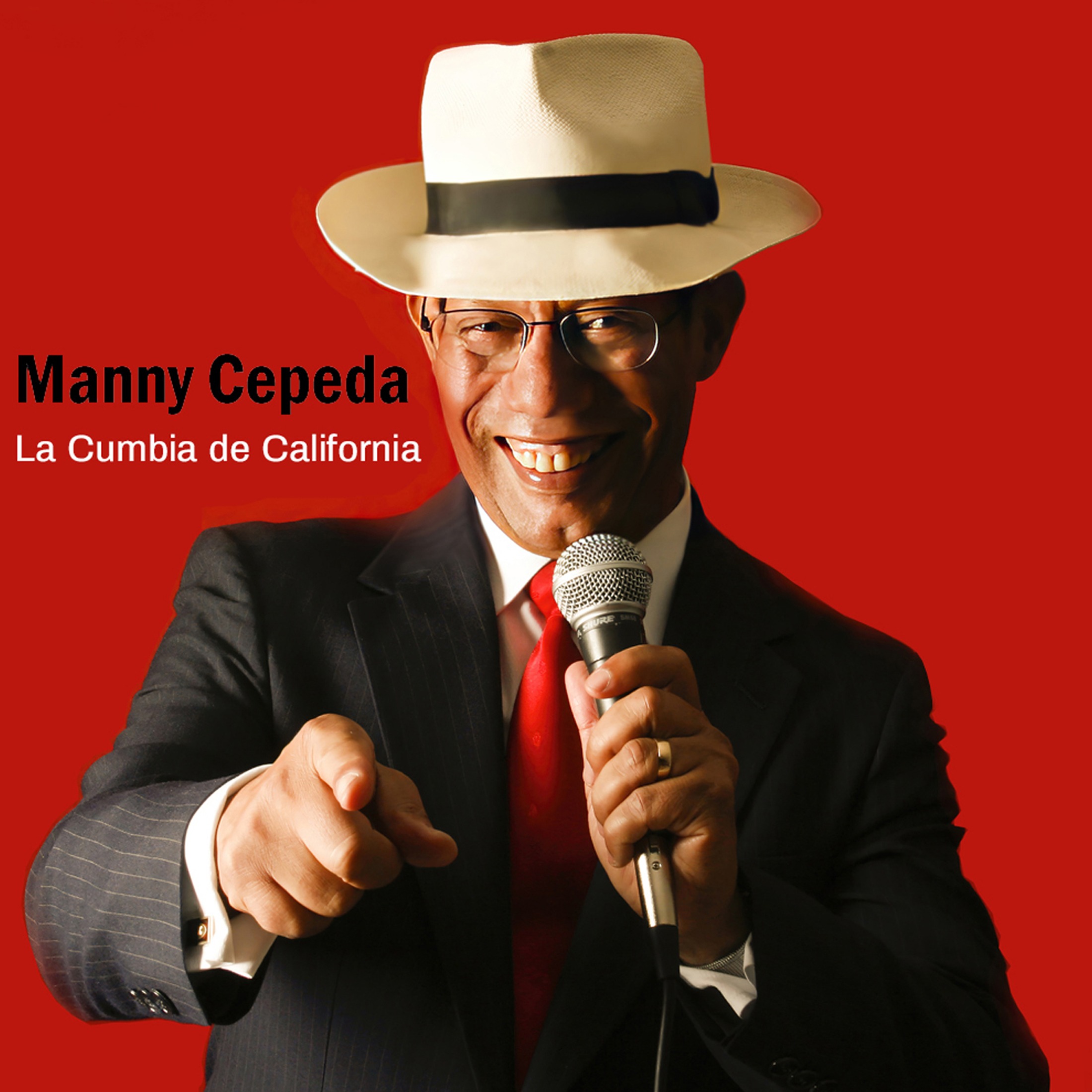
Latin music in 2025 is not one thing — and that's precisely the point. After years of reggaeton dominating the global conversation, the genre ecosystem has splintered beautifully. Cumbia revivals, norteño-trap hybrids, Afro-Latin percussion-forward production, and coastal Californian son are all charting simultaneously. The monolith has cracked open, and what's pouring out is genuinely exciting.
Three Trends Reshaping the Latin Landscape
First, streaming playlists are finally rewarding regional specificity. Spotify's editorial strategy for Latin has shifted toward micro-genre curation — separate playlists for cumbia, sierreño, and tropical — meaning a cumbia track no longer has to compete with Bad Bunny for the same real estate. Discovery is deeper, and listener loyalty in these pockets is fierce.
Second, the U.S. Latino audience is driving a roots-forward sound correction. Second and third-generation listeners, particularly in California, Texas, and Illinois, are actively seeking music that reflects heritage without feeling archival. They want cumbia that sounds alive in 2025 — something with warmth, humor, and dancefloor immediacy rather than nostalgia for nostalgia's sake.
Third, mood-driven listening has become the dominant consumption behavior. According to recent platform data, Latin listeners index heavily toward happiness and energy as primary mood filters. That behavioral pattern is creating enormous space for artists who specialize in unambiguous, feel-good production — a space that has historically been underserved by the angst-adjacent pop Latin mainstream.
Where Manny Cepeda Fits
California-based Manny Cepeda is operating at the precise intersection of all three of these currents. His tracks La Cumbia de California and El abanico aren't chasing a trend — they're building from a tradition while speaking directly to where Latin listeners' ears are in 2025. La Cumbia de California announces its geography proudly, tapping into that regional identity hunger with a sound that feels both rooted and immediate. El abanico shows range without abandoning the core proposition: music that makes you move without making you think too hard about why.
His approach is uncluttered. In a production landscape increasingly crowded with maximalist genre experiments, Cepeda's commitment to a happy, propulsive sound reads as confident rather than simple.
Why Now Matters
Latin music's decentralization isn't a crisis — it's a correction. The infrastructure that once gatekept regional sounds into invisibility has loosened, and artists like Manny Cepeda are the direct beneficiaries. The next two years will likely produce breakout moments from exactly this tier of the ecosystem. Pay attention.