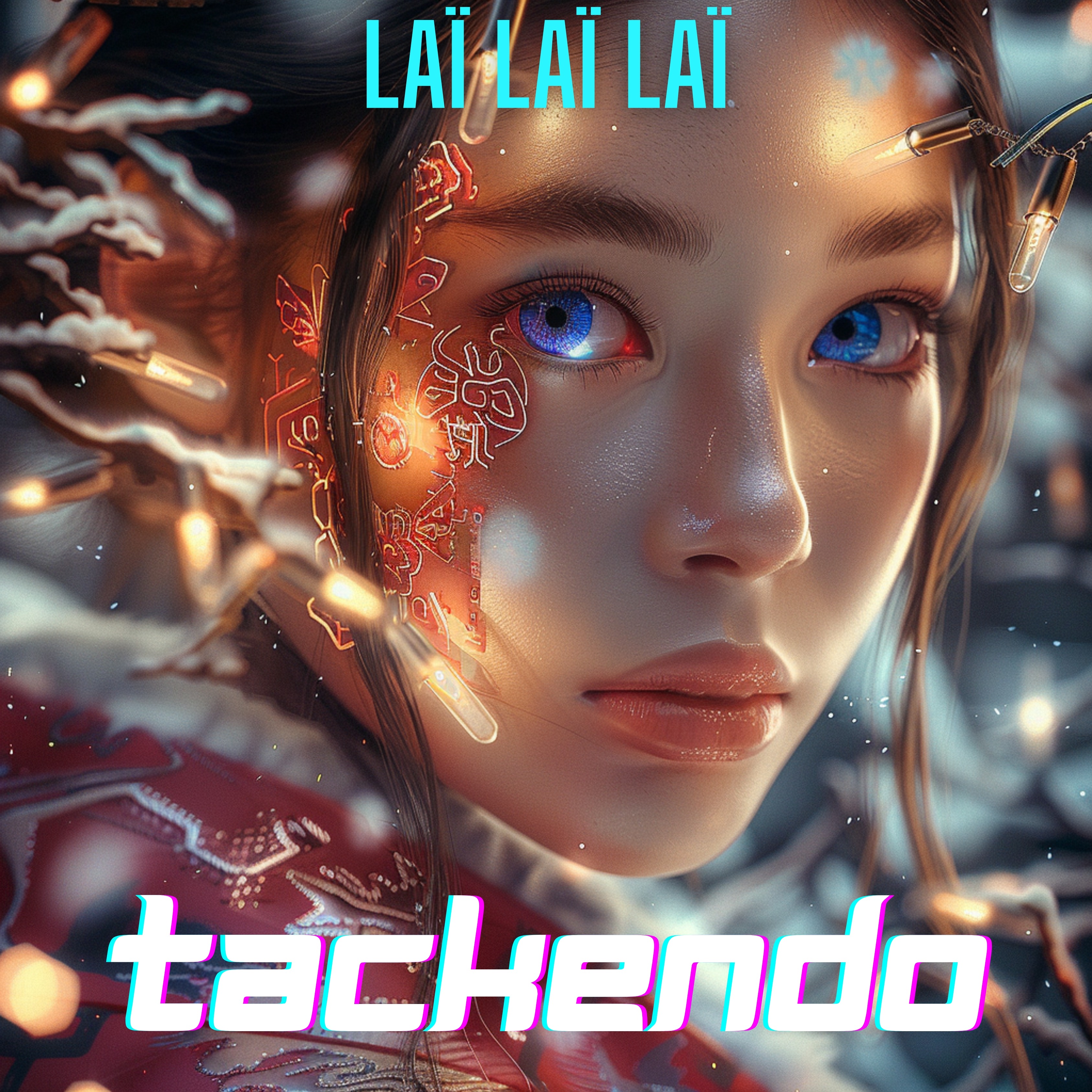

Electronic music in 2025 finds itself at a genuinely strange crossroads. The genre that once thrived on geographical mythology — Detroit, Berlin, Chicago — is being quietly dismantled by artists who refuse to center themselves within those inherited narratives. Streaming has flattened the old hierarchies, algorithmic discovery has redrawn the taste map, and listeners are increasingly gravitating toward sounds that carry cultural specificity rather than genre-approved anonymity.
Three Forces Reshaping the Floor
First, there's the global fusion acceleration. Platforms like Spotify and Apple Music have documented a sharp rise in cross-genre, cross-cultural electronic consumption — listeners who discovered Afrobeats-inflected house are now actively seeking Arabic-scale progressions over four-on-the-floor kicks, or Japanese ambient textures folded into club-ready structures. The appetite is real and the numbers back it.
Second, mood-driven curation has overtaken genre tags as the primary discovery mechanism. Playlists titled "mysterious late-night drive" or "happy chaos" outperform genre playlists in skip rates and save ratios. Artists who can occupy two emotional registers simultaneously — playful and unsettling, euphoric and cryptic — are finding algorithmic traction that more genre-pure acts simply aren't.
Third, the EDM revival is happening on its own terms. The maximalist, festival-coded sound of the early 2010s is returning, but filtered through a decade of sophistication. It's not nostalgia — it's reconstruction. Producers are taking that explosive energy and running it through entirely different cultural vocabularies.
Where Tackendo Fits — And Why It Matters
Japan's Tackendo lands in this moment with uncanny timing. A track like "Laï Laï Laï - EDM Oriental Mix" doesn't feel like a genre experiment — it feels like a genuine synthesis, the kind that only happens when a producer has genuinely internalized multiple musical traditions rather than borrowed surface aesthetics. The Oriental melodic framework doesn't decorate the EDM structure; it drives it.
"FBI Desk" carries that mysterious-playful duality that mood-based algorithms currently reward. There's something cinematic and slightly absurdist about it — tonally close to what Floating Points was doing with jazz or what Burial did with urban textures, but distinctly Tackendo's own architecture. "Gimme a Piece of Licorice" leans into the happy register without abandoning the underlying strangeness. That tension is a skill.
Why Now
Electronic music in 2026 will belong to artists who understand that cultural identity is not a limitation — it's the differentiator. Tackendo is already operating from that premise. The timing, frankly, could not be better.