
Electronic music in 2025 is having an identity crisis — and that's precisely what makes it fascinating. After years of algorithmic homogenization flattening festival lineups into a predictable wash of drop-and-release structures, something genuinely strange and exciting is pushing back. The margins are moving to the center, and the center is scrambling to keep up.
Three Forces Reshaping the Floor
First, cultural hybridity is no longer a novelty — it's a competitive advantage. Streaming data from Spotify and Apple Music consistently shows that tracks blending regional sonic identity with electronic production outperform genre-pure counterparts in playlist retention and save rates. Listeners aren't just consuming; they're collecting textures they've never encountered before.
Second, the mood economy is real. Post-pandemic audience behavior permanently shifted how people engage with electronic music. The binary of peak-time club banger versus ambient comedown has fractured into a dozen micro-moods. Tracks that carry simultaneous emotional contradictions — joy laced with unease, euphoria edged with mystery — perform disproportionately well across sync licensing, editorial playlists, and social discovery. The algorithm rewards emotional complexity now, not just BPM.
Third, Japan is quietly becoming one of electronic music's most interesting export markets. Beyond the well-documented city pop revival, a younger generation of Japanese producers is synthesizing global club culture with distinctly local sensibilities — pentatonic melodic instincts, meticulous sound design discipline, and an aesthetic comfort with the uncanny that Western producers often flatten out.
Where Tackendo Fits This Moment
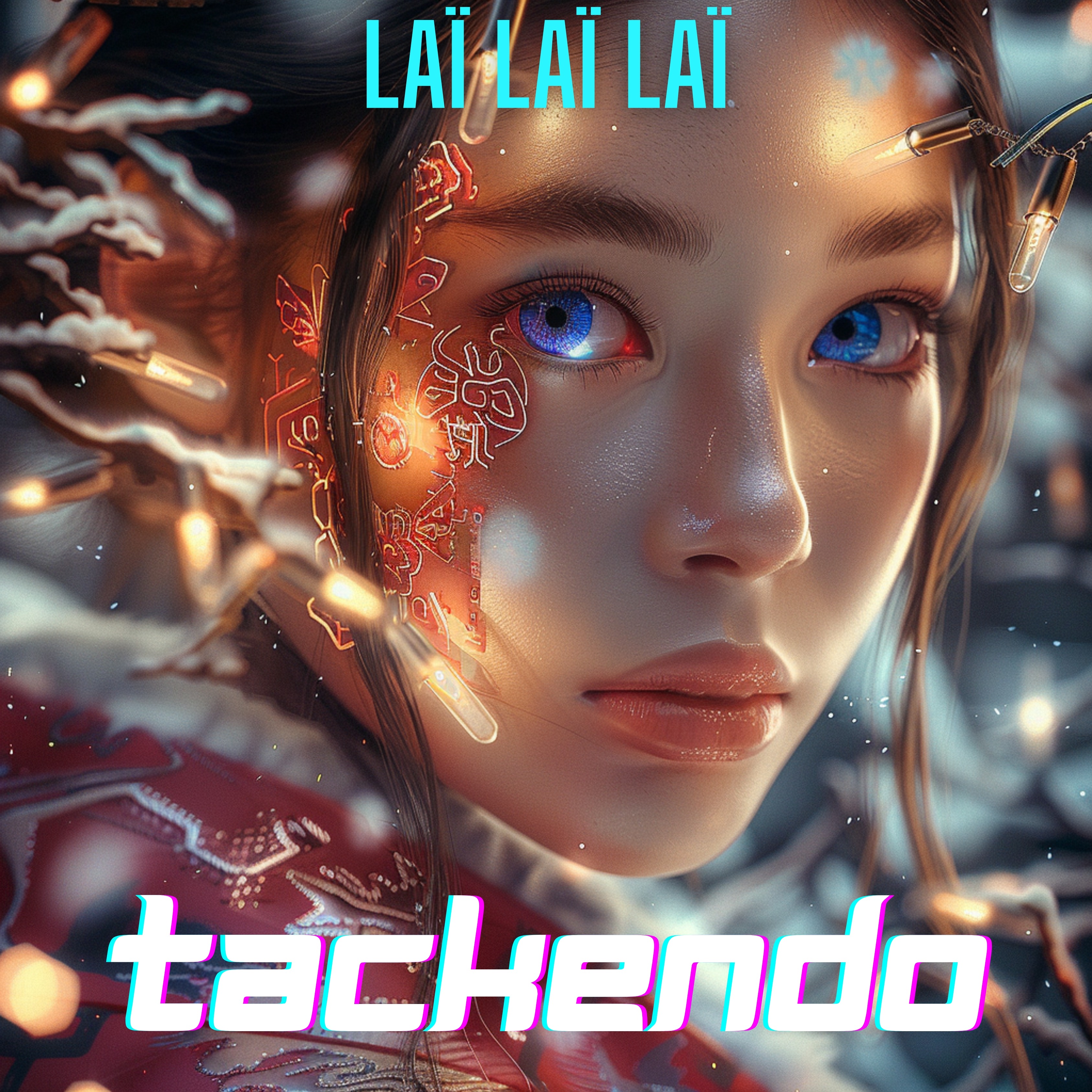
This is precisely the context in which Tackendo lands with genuine purpose. Tracks like Laï Laï Laï – EDM Oriental Mix don't treat Eastern musical vocabulary as decoration — it's structural, woven into the production logic itself rather than draped over a four-on-the-floor backbone as cultural wallpaper. FBI Desk carries that signature tension between the playful and the unsettling, a track that sounds like it knows something you don't. Gimme a Piece of Licorice leans into the absurdist warmth that Japanese pop has always wielded so effectively — disarming and oddly euphoric.
The happy-yet-mysterious duality running through Tackendo's catalog isn't a branding decision; it reads as an authentic artistic fingerprint, which is increasingly rare and increasingly valuable.
Why Now
Electronic music's next genuinely influential wave won't come from Berlin or London — it'll come from producers who grew up hearing entirely different musical logics and found ways to make them collide at 128 BPM. The infrastructure is finally in place to carry those voices globally. Tackendo is already making the case.