Rap in 2025 finds itself in a genuinely fascinating moment of self-contradiction. The genre that once policed its emotional borders with ruthless consistency is now rewarding artists who refuse to stay in lane. Vulnerability sells. So does aggression. And increasingly, the artists generating real traction are the ones smart enough to hold both simultaneously.
The Trends Reshaping the Sound
Three forces are quietly redrawing the map right now. First, streaming playlists have become the new radio programmers — and algorithmic playlist curators actively favor tracks that shift emotional registers mid-listen, rewarding dynamic range over monotone flexing. Songs that open aggressive and land somewhere unexpectedly tender are outperforming genre-rigid cuts across Spotify and Apple Music's rap categories in 2025.
Second, the melodic rap wave hasn't crashed — it's evolved. What began with Post Malone and matured through Rod Wave has now filtered into a generation of artists blending street-hardened lyricism with genuinely romantic sensibility. The wall between rap and R&B continues to dissolve, not through genre compromise but through emotional honesty.
Third, lifestyle rap is experiencing a quiet renaissance. References to travel, luxury, and intimate domestic moments — Airbnbs over hotel suites, visas over private jets — signal a grounded, aspirational aesthetic that resonates with a streaming audience that's younger, more globally mobile, and less impressed by abstract wealth flexing than by specific, lived detail.
Where Sammy Cain Fits In
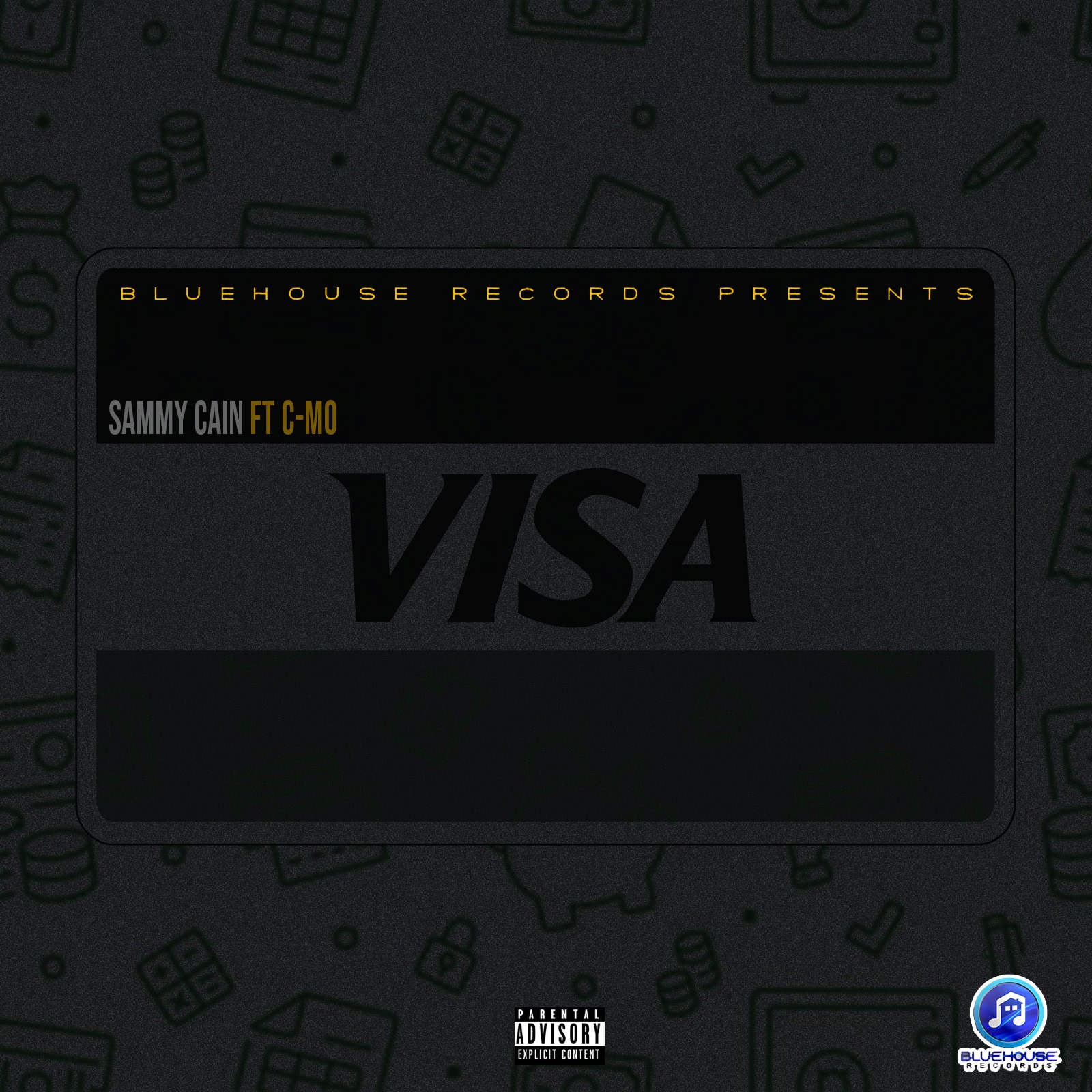
This is precisely the landscape that makes an artist like Sammy Cain worth paying attention to. Tracks like Visa and AirBnB operate at exactly this intersection — aspirational without being cartoonish, energetic without sacrificing intimacy. The production choices signal an artist who understands that modern rap listeners aren't passive consumers; they're building personal soundtracks, and they need music that functions across emotional contexts.
The romantic undertow in Cain's work isn't softness — it's sophistication. The aggression isn't posturing — it's kinetic energy with a destination. That combination, executed with specificity, is what separates artists who build genuine audiences from those who generate a single playlist placement and disappear.
Why Now Matters
Rap in 2025 is arguably more open to individualism than at any point in its mainstream history. The gatekeeping has fractured. The algorithms favor differentiation. And audiences are actively seeking artists who bring a distinct emotional signature rather than a polished replica of what already exists. That's not a small window — that's an invitation. The artists who walk through it decisively right now are the ones who'll define what this era sounds like in retrospect.