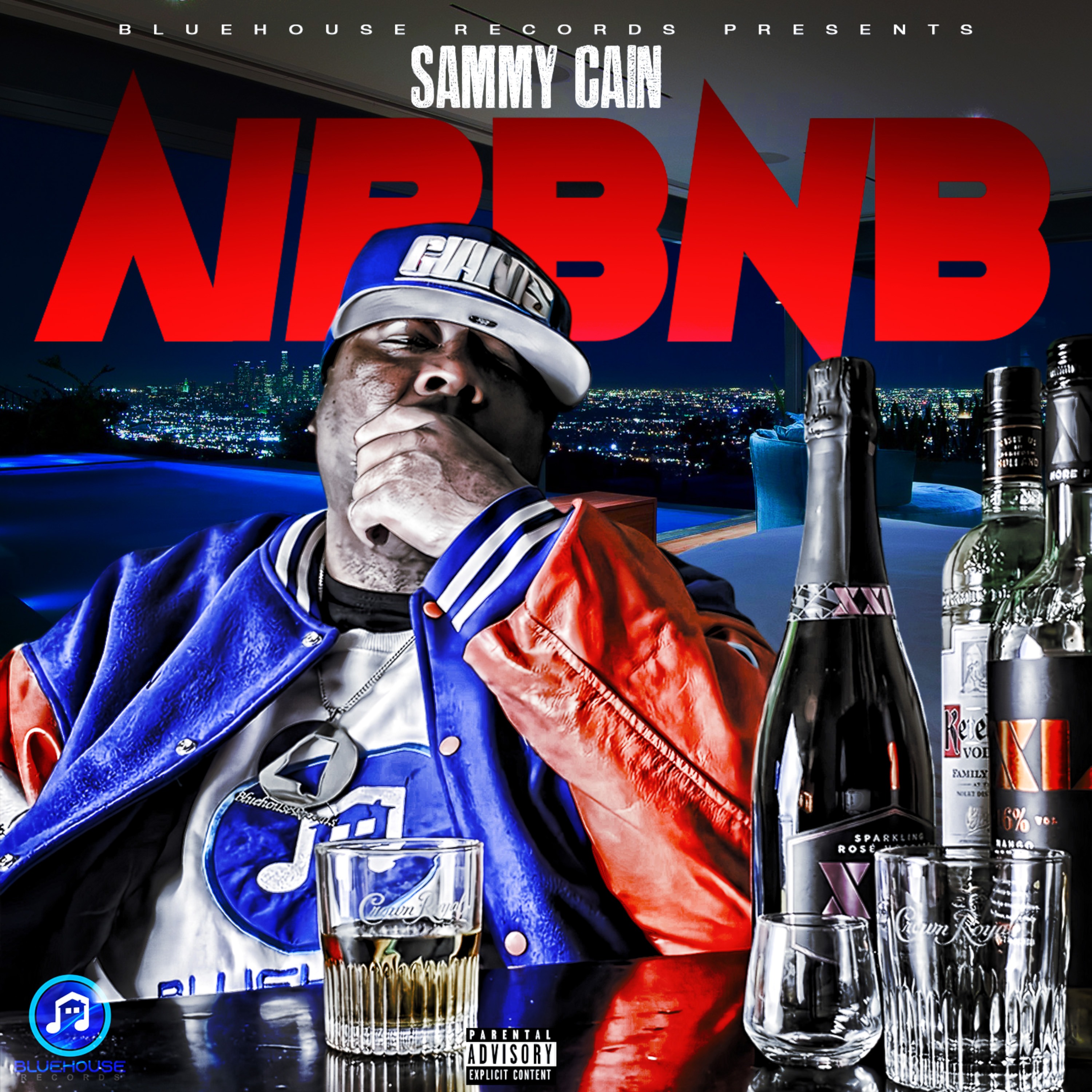
The independent music economy has never been more competitive. Over 100,000 tracks are uploaded to streaming platforms daily, and rap remains one of the most crowded genres in that pipeline. Breaking through without label infrastructure used to mean cold-emailing hundreds of curators and hoping someone listened past the first eight bars. AI-powered submission platforms are quietly changing that equation.
What AI Actually Does in Music Promotion
Modern submission platforms use machine learning to analyze your track's sonic profile, tempo, energy level, lyrical themes, and even regional dialect cues. For rap artists, this means a platform can identify whether your sound aligns more with Southern trap, East Coast boom-bap, or drill — then match your submission to curators and radio programmers who actively playlist those sounds. You stop wasting credits pitching a Memphis-style record to a West Coast conscious rap show.
This genre-level targeting is a significant shift. Previously, a programmer at an independent hip-hop radio station might receive 300 unfiltered submissions weekly. AI filtering means your track reaches decision-makers already primed for your specific lane.
Real Numbers Rap Artists Should Know
According to MIDiA Research, independent artists now account for over 31% of global recorded music revenue. But streaming royalties alone rarely sustain a career at the indie level — radio and playlist placements drive the discovery loop that builds a fanbase. A single spin on a targeted hip-hop station still converts listeners at a meaningfully higher rate than passive playlist adds, particularly in urban markets where radio culture remains strong.
How to Use These Tools Strategically
The artists getting the most from AI-driven platforms are treating submissions like ad campaigns — testing different track versions, reading feedback data, and refining pitches based on what curators actually respond to. Platforms like AirPlayRadio combine AI-assisted matching with direct access to real radio programmers and playlist curators, which closes the gap between algorithmic targeting and human decision-making.
Before submitting, make sure your metadata is clean: genre tags, featured artist credits, BPM, and mood descriptors all feed the matching engine. A sloppy submission profile undercuts even a great record.
The Bottom Line
AI hasn't replaced relationships in music promotion — it's made the first handshake smarter. For independent rap artists willing to engage with these tools seriously, the barrier between your booth and a curator's playlist has never been lower.