Rap in 2025 is not having an identity crisis — it's having an identity explosion. The genre that spent the early 2020s consolidating around drill's minimalist menace and hyperpop-adjacent Auto-Tune spirals is now fragmenting beautifully, with listeners actively seeking artists who can hold contradictions: hard and soft, street and sentimental, aggressive and achingly romantic. The algorithm rewarded mood playlists. Now the audience is rewarding mood range.
The Trends Reshaping the Sound
Three forces are visibly reshaping rap right now. First, streaming behavior has shifted toward emotional versatility — Spotify and Apple Music data consistently shows that tracks landing on both hype and late-night playlists dramatically outperform single-mood cuts in long-tail plays. Listeners don't want a genre anymore; they want a world. Second, the sonic palette is widening again. After years of 808-dominant trap production, producers are reintroducing melodic bass lines, live percussion textures, and even R&B-adjacent chord progressions without abandoning the raw punch that defines the culture. Third, the independent rap economy is genuinely maturing. Artists moving meaningful numbers without major label infrastructure aren't the exception anymore — they're setting the template, using platforms like TikTok for discovery and radio promotion services to lock in terrestrial reach that streaming alone can't replicate.
Where Sammy Cain Fits
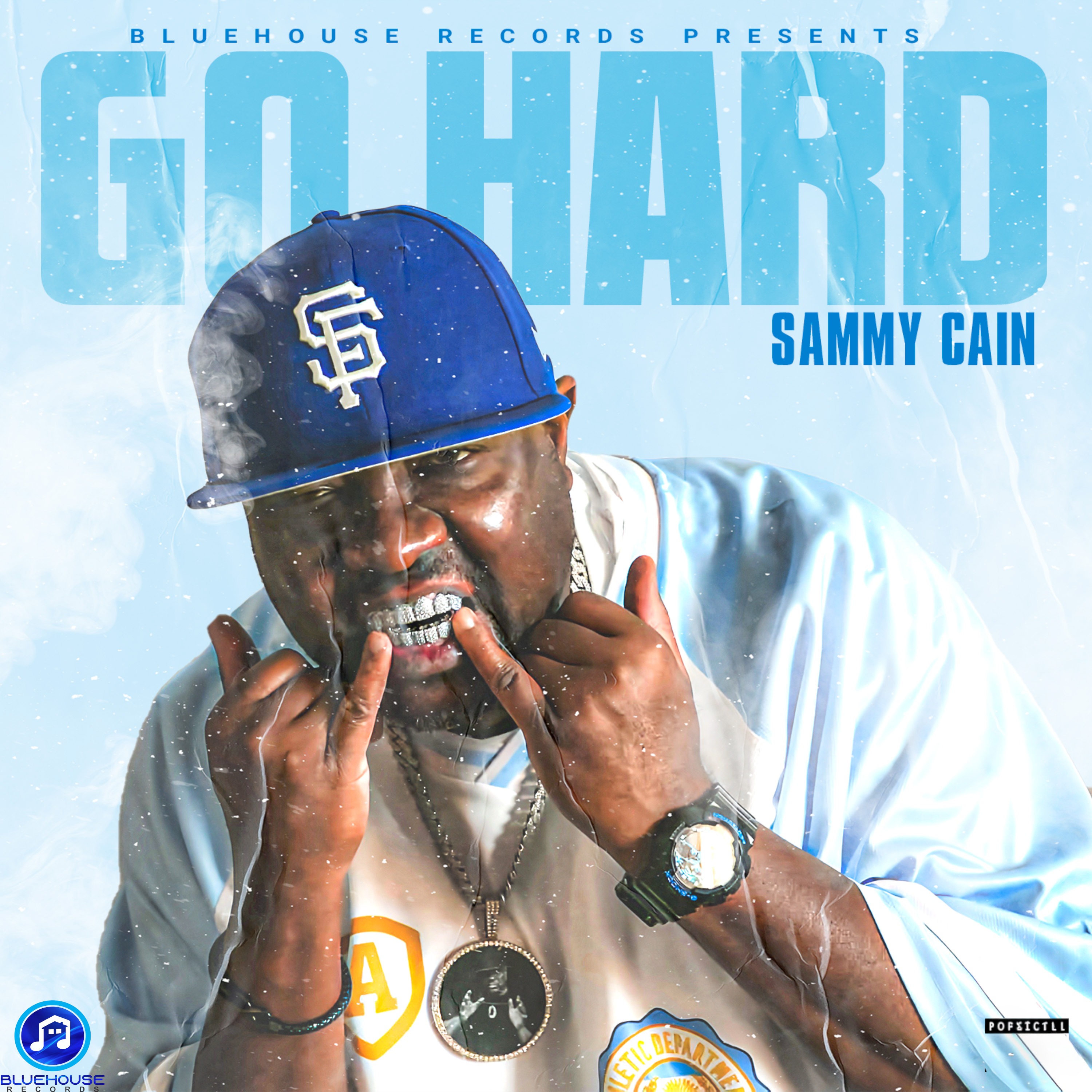
Sammy Cain operates precisely at this intersection. His track "Go Hard" is the kind of cut that earns radio rotation not because it softens its edges but because its energy is undeniable — the sort of track that fits a pre-game playlist and a drive-time radio block simultaneously. "Visa" pivots into something more layered, bringing a romantic sensibility that doesn't feel tacked on but genuinely earned, the kind of emotional gear-shift that today's listeners are actively seeking out. "AirBnB" threads both impulses together with a conceptual specificity — everyday imagery elevated into something cinematic — that reflects a broader trend of rap artists using hyper-specific cultural references to build intimacy with audiences who are tired of abstraction.
What makes Cain's positioning compelling right now is timing. He's arriving as radio programmers are actively hunting for rap acts who can move between moods without losing identity — artists with genuine range rather than a single signature trick.
Why Now Matters
The next eighteen months in rap belong to artists who understand that aggression and tenderness are not opposites — they're the same voltage, differently directed. Sammy Cain clearly understands the assignment. The landscape is ready for exactly this.