Rap in 2025 is not a genre — it's a weather system. Unpredictable, constantly shifting, capable of leveling everything in its path or delivering something unexpectedly warm. After years of critics declaring the form stagnant, the numbers and the streets are saying something different. Streaming data shows rap maintaining its position as the most-consumed genre globally, but the how people are consuming it has changed dramatically. Listeners are curating emotional playlists with the same seriousness a DJ once reserved for a Saturday night set. Mood matters more than moment. Context is king.
Three Forces Reshaping the Sound
First, the return of aggressive energy as a commercial force. Post the SoundCloud era's melodic dominance, audiences are gravitating back toward rap that hits with physical weight — tracks built for gym sessions, pre-game rituals, and moments that demand an exclamation point. GloRilla, Glorilla-adjacent acts, and the ongoing influence of Memphis rap have pushed rawness back to the forefront.
Second, emotional versatility within a single artist has become the new credibility marker. The era of one-dimensional rappers is effectively over. The artists cutting through — from Sexyy Red to Don Toliver to emerging regional voices — move fluidly between aggression, romance, and vulnerability without apology. Playlisting algorithms reward this range because listeners stay longer when an artist can shift the room's temperature.
Third, radio-adjacent rap is quietly experiencing a renaissance. With playlist culture fragmenting discovery, the artists who can craft a radio edit without gutting the soul of the original are finding outsized reach. The three-minute, hook-forward structure is not a compromise — it's a skill set.
Where Sammy Cain Fits
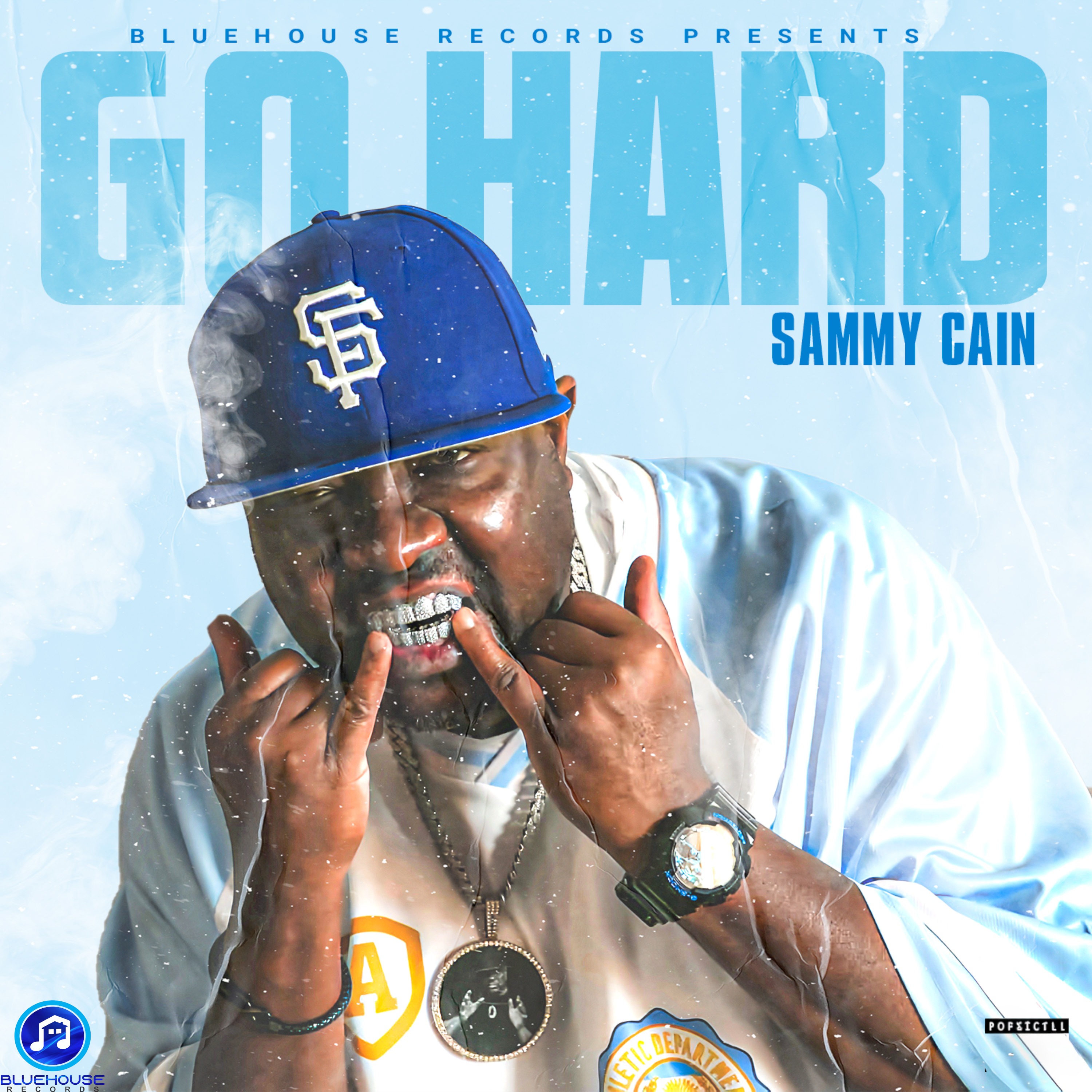
This is precisely the landscape where an artist like Sammy Cain finds traction. His catalog — Go Hard (Radio), Visa, AirBnB - Radio Edit — reads like a deliberate case study in modern rap's emotional spectrum. Go Hard channels the aggressive, chest-forward energy that 2025 audiences are actively seeking. Visa pivots into romantic territory with enough confidence that the shift feels earned rather than calculated. AirBnB threads both impulses through a radio-ready format that doesn't sacrifice edge for accessibility.
What Cain understands — and what separates working artists from ones who break through — is that range is not dilution. It's amplification.
Why Now
Rap in 2025 is rewarding artists who refuse to be filed neatly. The genre is wide open for voices that can be aggressive on Monday and romantic on Friday without losing the thread. That's a rare skill. And right now, the infrastructure — playlists, radio edits, mood-based discovery — is finally built to reward it.