Rap in 2025 is not having an identity crisis — it's having an identity explosion. The genre that spent decades fighting for mainstream legitimacy now is the mainstream, and with that position comes a fascinating tension: how do you stay hungry when you've already won? The answer, increasingly, is that the artists making the most noise are the ones who never stopped treating rap like a proving ground.
Three Trends Reshaping the Sound Right Now
First, the streaming algorithm has quietly rewired listener behavior. Short-form content on TikTok and Instagram Reels continues to push artists toward high-energy, hook-first structures — but the smartest artists are engineering tracks that work both as 15-second clips and as full listens. The ones who crack that code are the ones charting. Second, emotional range is the new flex. The binary between hard street rap and melodic trap is collapsing. Listeners — particularly the 18-to-34 demographic driving Spotify streams — are rewarding artists who can pivot from aggression to vulnerability within a single project, sometimes within a single song. Third, regional rap identity is making a comeback, but with a national appetite. Post-pandemic audiences developed a hunger for specificity, for voices that feel rooted somewhere real rather than polished into placelessness.
Where Sammy Cain Fits
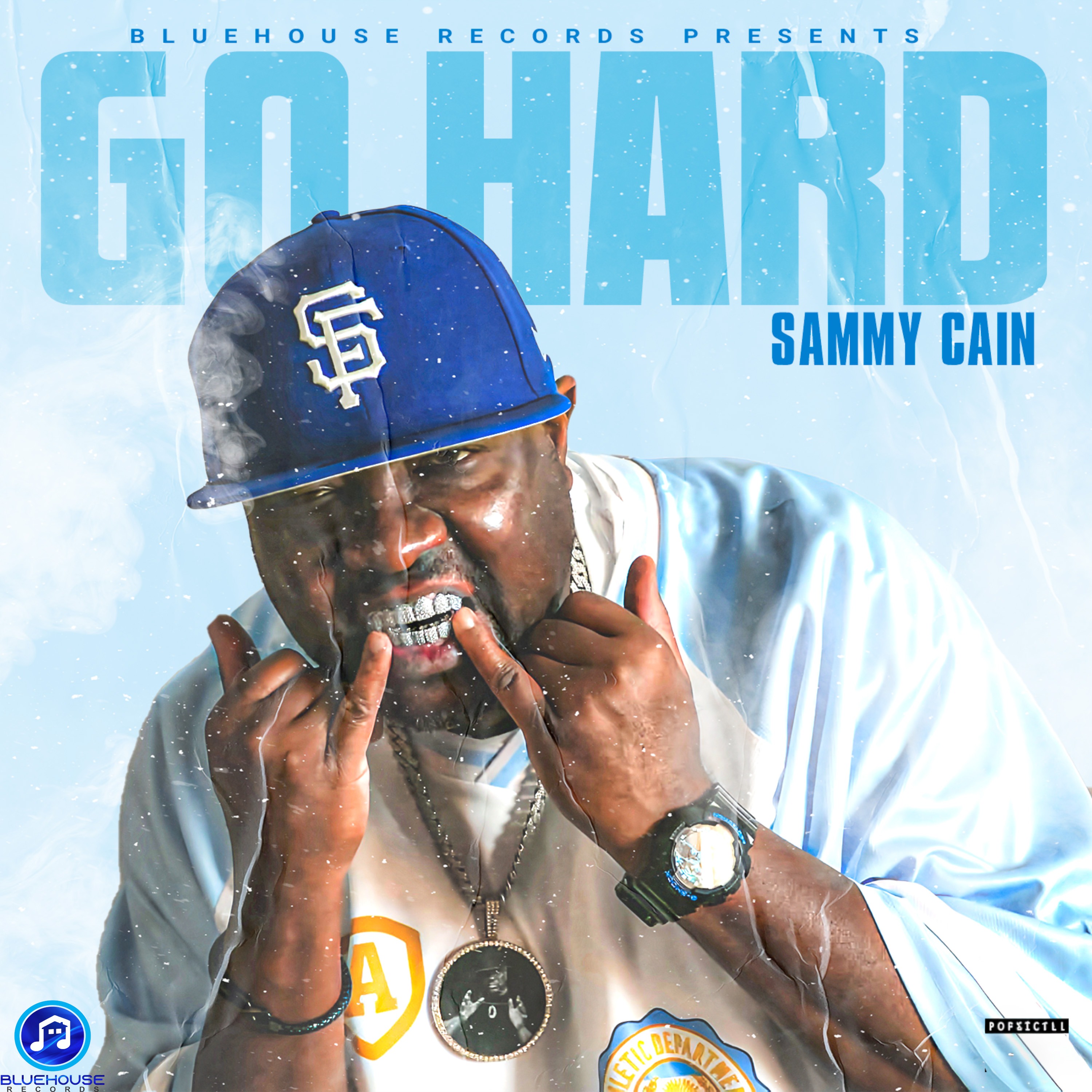
This is precisely the landscape that makes Sammy Cain an artist worth watching. His catalog — anchored by tracks like "Go Hard (Radio)," "Visa," and "AirBnB (Radio Edit)" — reads like a deliberate study in contrast. "Go Hard" is exactly what it promises: propulsive, confrontational, built for the kind of aggressive energy that drives gym playlists and pre-game locker rooms. But "Visa" and "AirBnB" reveal a different register entirely — aspirational, romantic, dripping with the kind of lifestyle confidence that plays equally well on date-night playlists and luxury brand soundtracks.
That tonal range isn't accidental. It reflects a sophisticated understanding of how modern rap audiences actually consume music — not as genre purists, but as mood-driven listeners who want an artist to match wherever they are emotionally. Cain doesn't force a singular identity; he trusts his range.
Why Now Matters
The gatekeeping era of rap is functionally over. Radio edits matter again because sync licensing, playlist placement, and broadcast airplay are converging into a single promotional ecosystem. Artists who deliver clean, radio-ready versions alongside raw cuts are operating with a strategic intelligence the industry is finally rewarding. Sammy Cain appears to understand that. In a genre that's never been more competitive — or more full of opportunity — that kind of awareness is the real flex.