By the time Bad Bunny dropped his surprise acoustic set and Peso Pluma landed his third consecutive Billboard crossover, the industry had already declared Latin music's global dominance a settled matter. But 2025 is proving something more interesting than dominance — it's proving diversification. The monolith is fragmenting beautifully, and the edges are where things are getting strange and alive.
Three Shifts Defining Latin Music Right Now
First, streaming data is finally catching up to what regional scenes have known for years. Cumbia, norteño, and tropical formats are logging massive numbers on Spotify's regional charts not despite their specificity but because of it. Listeners aren't just discovering Latin music — they're drilling down into it. The algorithm rewards authenticity over crossover polish, and that's changing who gets heard.
Second, the U.S. Latino market is asserting its own sonic identity, distinct from Mexico City, Medellín, or San Juan. Artists raised in California, Texas, and Chicago are blending inherited rhythms with American West Coast sensibility — a kind of cumbia that smells like the Pacific, not the Caribbean. This isn't fusion for fusion's sake. It's autobiography.
Third, mood-driven playlist culture has become a genuine pipeline for regional Latin. Tracks tagged as upbeat, celebratory, or family-oriented are outperforming expectations on platforms that once prioritized genre purity. Happy music, it turns out, travels well across demographics and borders.
Where Manny Cepeda Fits — and Why It Matters
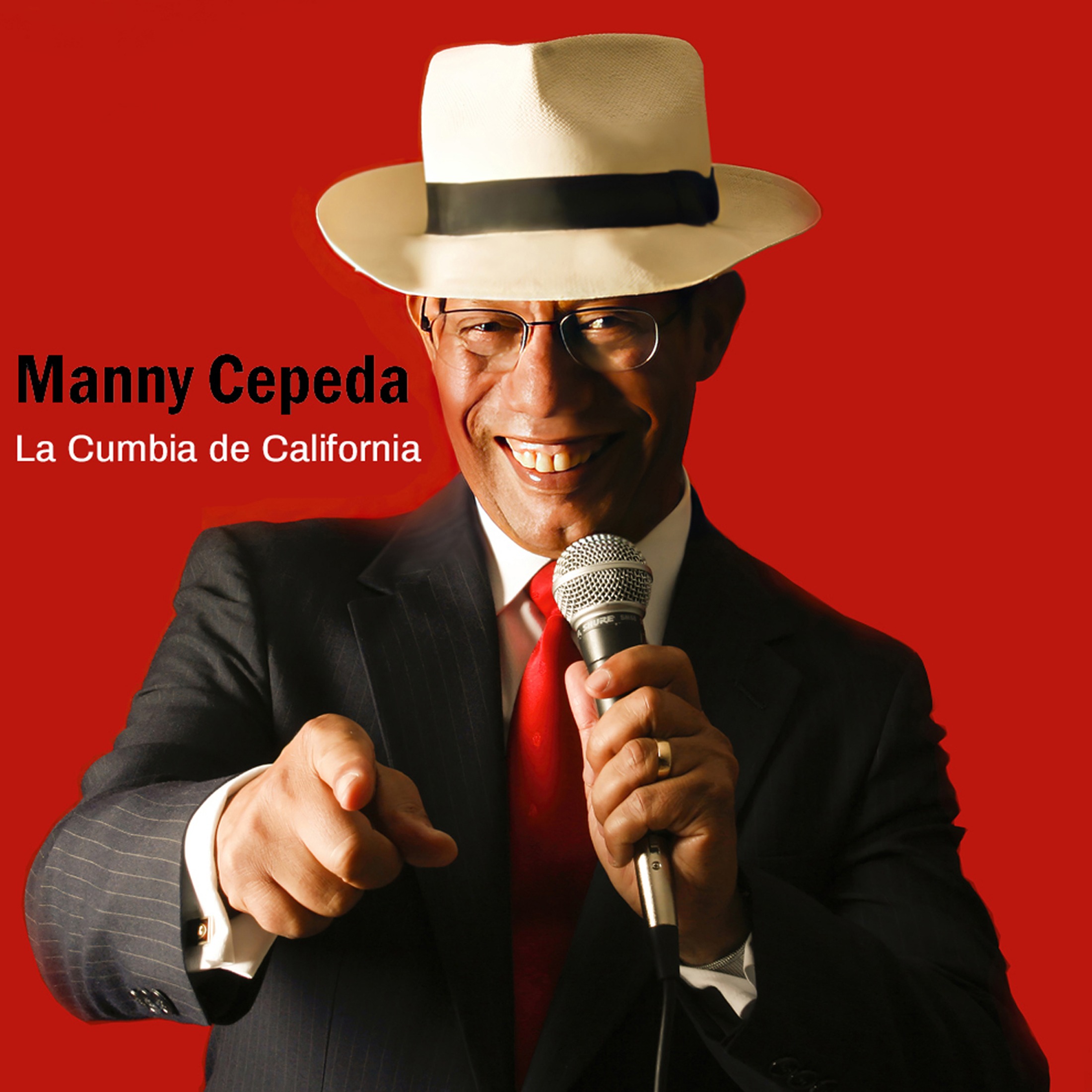
Manny Cepeda's two current tracks, "La Cumbia de California" and "El Abanico," sit precisely at the intersection of these three shifts. The titles alone tell a story: one is a geographic claim, a staking of territory, an assertion that cumbia belongs to the valleys and freeways of California just as much as it belongs to the Colombian coast. The other — the fan — conjures heat, movement, the kinetic joy of a dancefloor that doesn't need a VIP section to feel electric.
What Cepeda is doing isn't nostalgic preservation. It's forward projection — taking a rhythm with deep roots and pointing it somewhere new, somewhere sun-drenched and unapologetically joyful. In a Latin landscape crowded with trap hi-hats and AutoTuned corridos, that kind of unguarded happiness is a genuine differentiator.
Why Now Is the Right Moment
Latin music in 2025 is big enough to hold contradictions — global superstars and neighborhood heroes, melancholy ballads and pure cumbia euphoria. The infrastructure finally exists for an artist like Manny Cepeda to find his audience without compromising the thing that makes him worth finding. That's not a small thing. That's everything.