Latin music in 2025 is doing something genuinely interesting: it's decentralizing. For years, the genre's commercial center of gravity pulled everything toward reggaeton's Puerto Rican-Miami axis or the norteño corridors of the U.S.-Mexico border. But the streaming data tells a different story now. Regional Mexican variants like sierreño and banda are posting numbers that rival pop crossovers, cumbia is threading itself through Afrobeats and hyperpop playlists without apology, and the audience growth is happening in places the industry didn't think to look — California suburbs, Pacific Northwest cities, second-generation diaspora communities who grew up bilingual and want their music to reflect that complexity.
Three Forces Reshaping the Sound
First, streaming algorithms are finally catching up to how Latin listeners actually behave. Spotify's internal data showed cumbia and tropical subgenres growing playlist saves at rates outpacing even Bad Bunny-adjacent trap Latin in 2024. Listeners aren't just streaming — they're curating. Second, there's a generational sound evolution happening where artists are layering traditional rhythmic structures — the clave, the cumbia pulse, the accordion's conversational phrasing — over modern production values without smoothing out the edges. The grit stays. Third, the U.S. Latino market is asserting its own regional identity, distinct from Latin America's export industry. California alone represents a cultural mass large enough to sustain entire subgenre ecosystems.
Where Manny Cepeda Fits
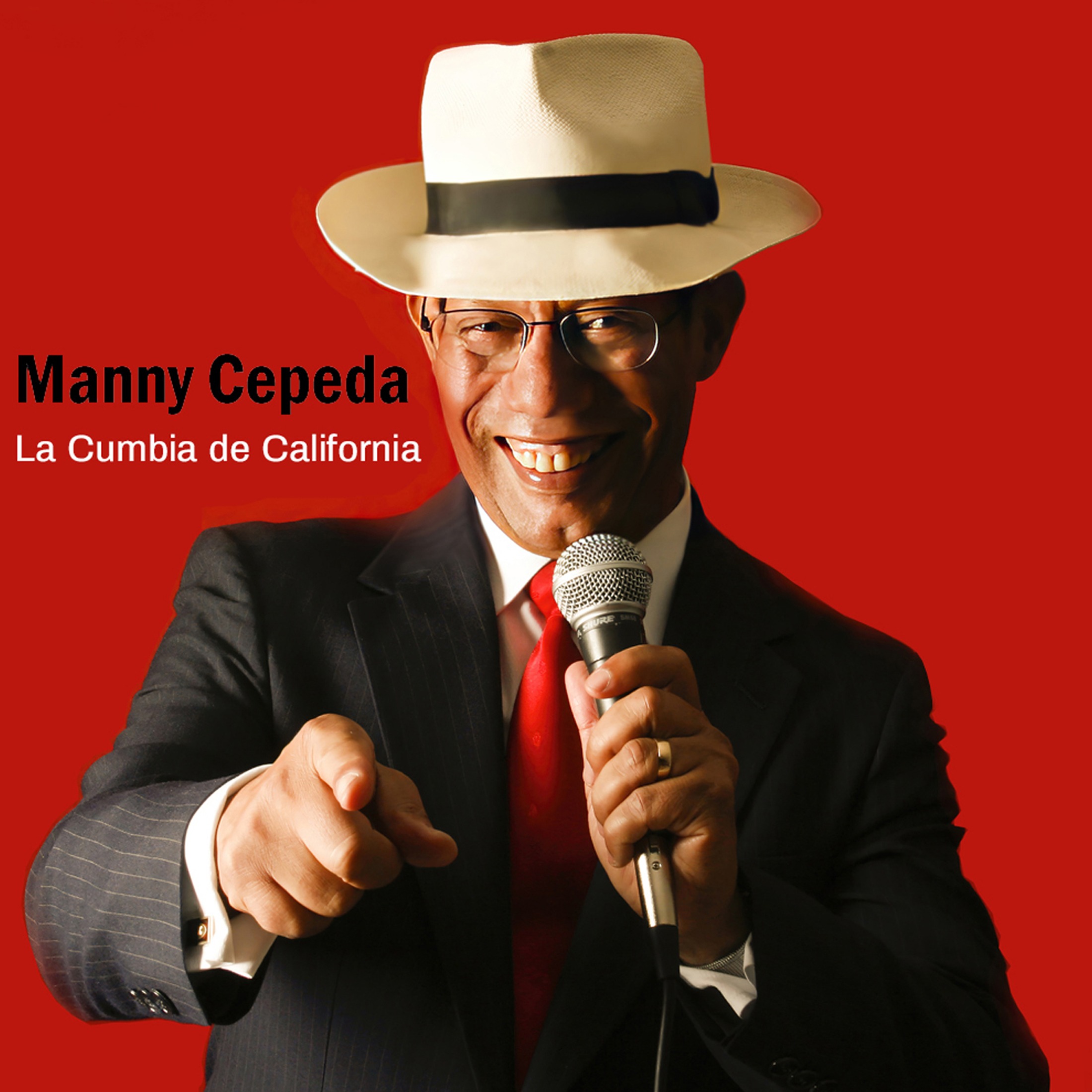
Manny Cepeda isn't arriving late to this conversation — he's one of the people having it. His tracks La Cumbia de California and El Abanico operate squarely inside this new geography. The California specificity in the former isn't branding; it's a thesis statement. It plants cumbia's Colombian and Mexican roots into Pacific soil and asks what grows there. The answer turns out to be something warm, road-ready, and genuinely joyful — a happiness that doesn't feel manufactured, which is rarer than it sounds in an era of algorithmic mood-targeting. El Abanico carries that same buoyancy, leaning into the dance-floor functionality that made cumbia an evergreen form without letting nostalgia do all the heavy lifting.
Why Now Matters
The next 18 months will determine whether this decentralized Latin moment becomes a sustained movement or a footnote. The infrastructure — playlists, live circuits, bilingual media — is finally catching up to the talent. For artists like Manny Cepeda, rooted in tradition but speaking to a California-raised, streaming-native audience, the timing is less lucky break than logical conclusion. The map is being redrawn. Pay attention to who's holding the pen.