
Electronic dance music in 2025 is having a genuinely strange and exciting moment. After a mid-decade identity crisis — fractured by the microgenre explosion of hyperpop, the ambient-everything backlash, and post-pandemic uncertainty about live culture — EDM is consolidating around something that feels almost radical by recent standards: pure, uncut euphoria. Crowds are back, festival bookings are at historic highs, and the artists gaining traction aren't the ones chasing complexity for its own sake. They're the ones who make you feel something immediately.
Three Trends Defining EDM Right Now
First, streaming behavior is telling a clear story. Playlist curators on Spotify and Apple Music are aggressively favoring high-energy tracks with strong hooks in the first thirty seconds — a behavioral shift driven by short-form video culture bleeding into how listeners consume full-length audio. Tracks that build slowly are getting skipped. Tracks that launch are getting shared. Second, the sound itself is evolving toward what analysts are calling "neo-progressive" — a return to the melodic architecture of early 2010s progressive house, but rebuilt with modern production clarity, wider stereo imaging, and synthesizer textures that sit somewhere between cinematic and euphoric. Think less warehouse, more open sky. Third, the audience is genuinely younger and more global than it was five years ago. Gen Z listeners, raised on gaming soundtracks and anime OSTs, have a high tolerance for dramatic, spacious electronic compositions. They're not ironic about it. They want to feel something.
Where 2197 Fits In
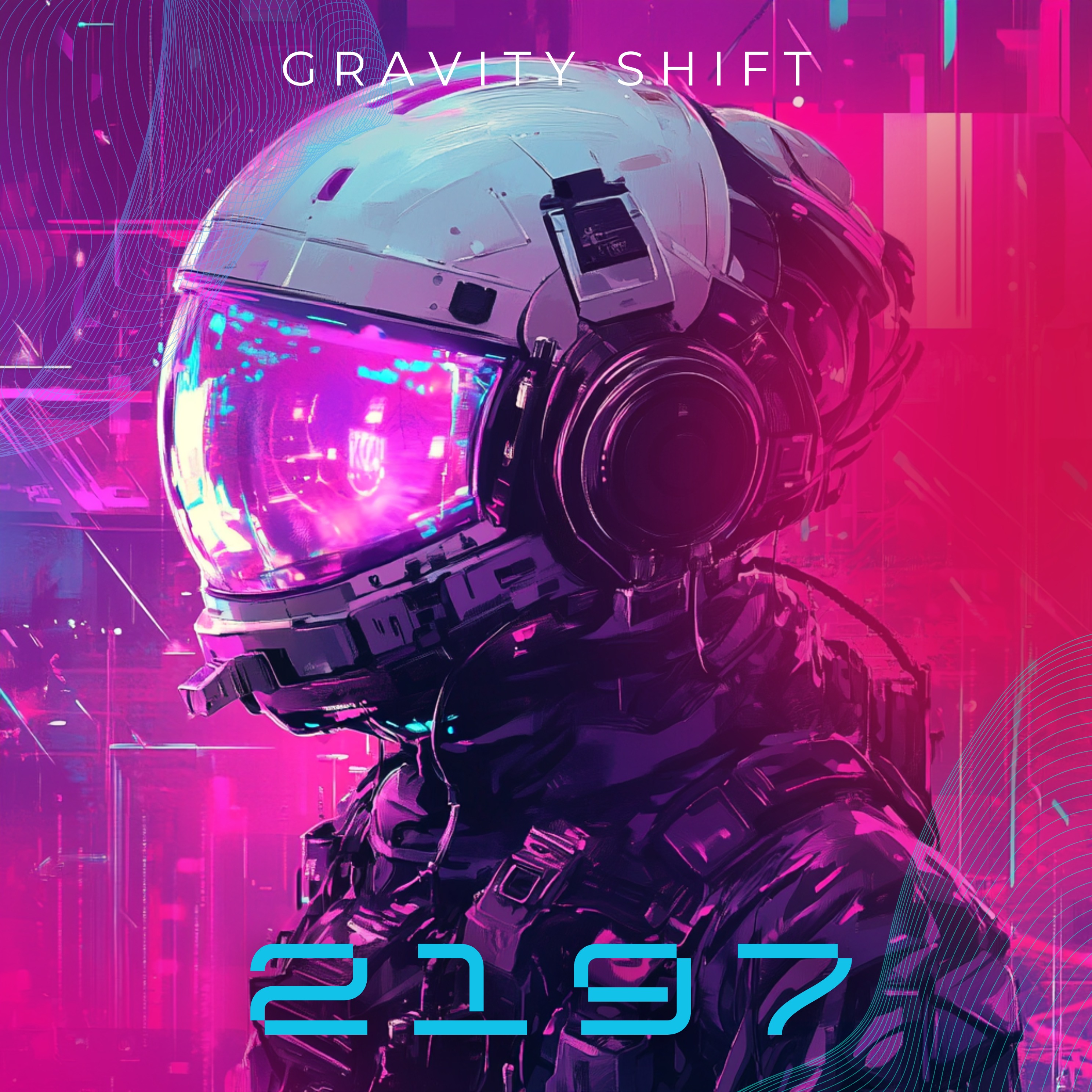
This is precisely the landscape that makes a project like 2197 worth paying attention to. The American producer's catalog — anchored by tracks like Gravity Shift, Solar Corona, and Return to the Moon — reads almost like a mission statement for the moment. The titles alone signal a deliberate aesthetic: cosmic, expansive, forward-looking. The music matches. These aren't tracks designed for background listening. They're engineered for the specific emotional frequency that sits between happiness and momentum, which happens to be exactly what the current EDM audience is seeking out and rewarding with streams, shares, and playlist adds.
Return to the Moon in particular captures something that's difficult to manufacture — a sense of genuine uplift that doesn't feel saccharine. That balance is rare, and in 2025, it's also commercially viable in ways it hasn't been in years.
What Comes Next
The window for melodic, high-energy electronic music is open right now in a way that doesn't come around often. Streaming infrastructure is aligned, audience appetite is real, and the cultural mood is hungry for optimism. For producers operating in this space with intention and identity, the next eighteen months represent a legitimate opportunity. 2197 is positioned well — and the genre, for once, is too.