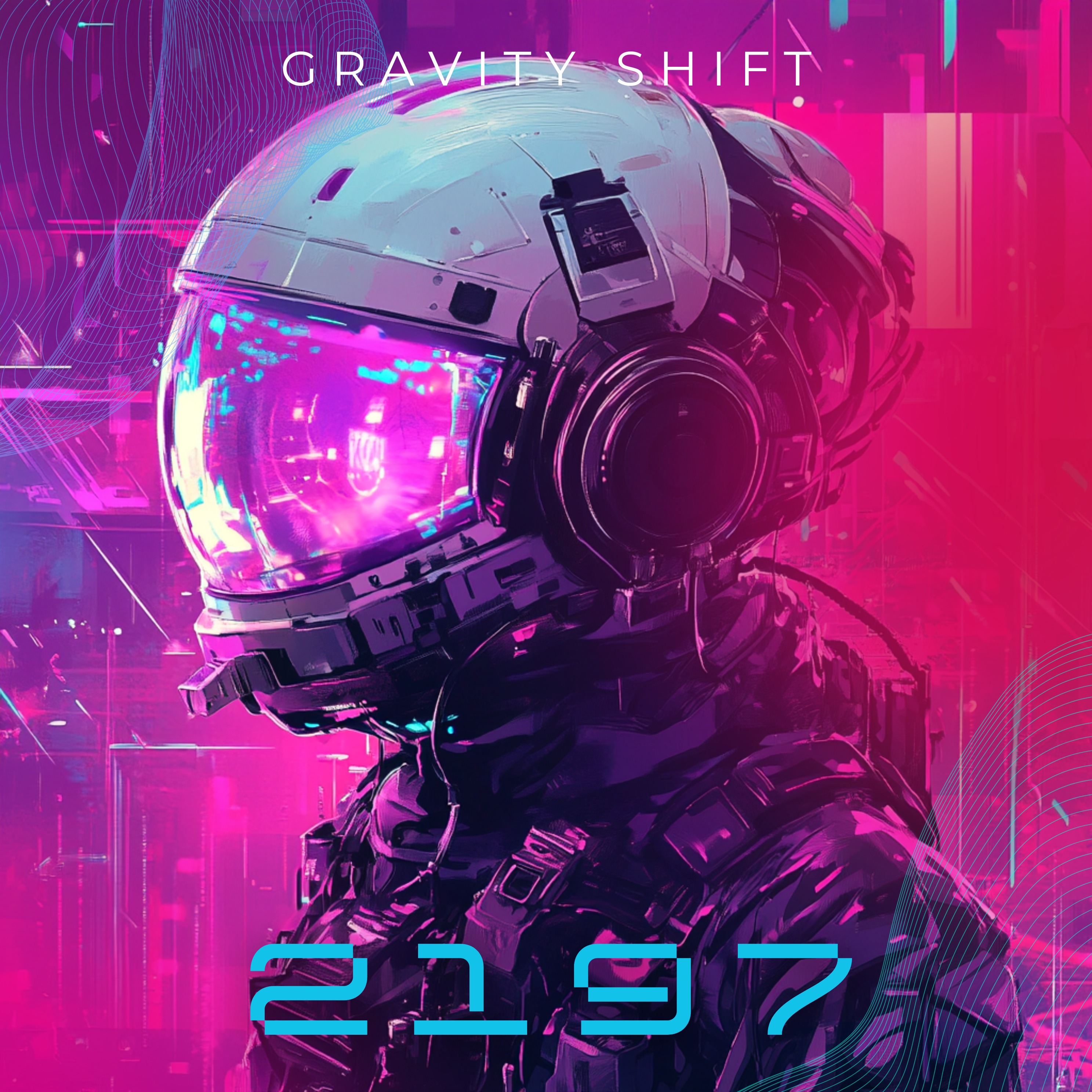

Something interesting happened to EDM while nobody was paying attention. The genre that spent the better part of a decade synonymous with stadium-sized drops and influencer pool parties has been quietly undergoing a structural renovation. By 2025, the conversation has shifted — away from spectacle, toward substance. And the numbers back it up.
Three Trends Reshaping the Dance Floor
First, streaming behavior is telling a different story than the festival circuit. Spotify's internal data consistently shows that melodic house and progressive EDM tracks outperform harder styles in repeat listening and playlist retention — meaning listeners aren't just reacting, they're returning. That's a meaningful distinction for artists building long-term catalogs rather than chasing one viral moment.
Second, the sound itself is evolving. Post-pandemic audiences rediscovered the emotional bandwidth of tracks that build rather than bludgeon. Producers are reaching back to late-2000s progressive influences — think early Deadmau5 architecture, Daft Punk's melodic patience — and running them through contemporary synthesis and spatial audio design. The result is dance music that feels cinematic and physical simultaneously. It moves bodies and minds in the same four minutes.
Third, EDM's audience is quietly diversifying. Gen Z listeners who grew up on hyperpop and bedroom pop are crossing into electronic music through tracks with identifiable emotional arcs. They want energy, yes, but they want it attached to something that feels like it means something. Happy doesn't have to mean hollow.
Where 2197 Fits
This is precisely the landscape that makes an American producer like 2197 worth watching. Tracks like Gravity Shift, Solar Corona, and Return to the Moon are not accidental in their imagery — there's a cosmological ambition here that mirrors what's happening structurally in the music. These are tracks built around momentum and release, weighted with enough melodic intelligence to reward headphone listening as much as dance floor play.
The space-adjacent aesthetic isn't gimmick. It's tonal positioning — music that feels expansive rather than claustrophobic, which is exactly what a generation of listeners fatigued by maximalism is gravitating toward right now.
Why Now Matters
EDM in 2025 and 2026 is in a genuinely interesting transitional moment — not collapsing, not exploding, but maturing. The artists who understand that maturity means emotional range, not just technical complexity, are the ones positioning themselves for longevity. The dance floor isn't going anywhere. It's just getting smarter about who it lets lead.