
Something interesting is happening on the electronic music landscape heading into 2026. After years of peak-time excess and algorithmic sameness, EDM is quietly undergoing a correction — not a collapse, but a recalibration. The genre is getting smarter, stranger, and in many ways, more joyful. And the numbers back it up: electronic music streaming on Spotify and Apple Music grew 18% year-over-year in 2024, with the sharpest spikes coming not from legacy festival headliners but from mid-tier, production-forward acts finding dedicated audiences through playlist placement and short-form content.
Three Forces Reshaping the Sound
First, there's the space-age aesthetic revival. Influenced by everything from NASA's Artemis program coverage to the visual language of recent sci-fi cinema, producers are leaning hard into cosmic, expansive soundscapes — wide stereo fields, pitch-bent synth stabs, and tempo choices that feel less like BPM charts and more like orbital mechanics. It's no accident that tracks referencing celestial imagery are outperforming genre averages on TikTok saves and Spotify pre-saves alike.
Second, mood-led curation is now driving discovery. The old genre tags are collapsing. Listeners in 2025 search for how music makes them feel, not what subgenre box it fits. Platforms have responded by indexing heavily for emotional metadata — and tracks coded as high-energy and emotionally positive are consistently over-indexing on algorithmic playlists like Brain Food, Mood Booster, and Dance Workout. Happy and energetic isn't a creative limitation right now; it's a competitive advantage.
Third, the album-era is staging a quiet comeback in electronic music. Where singles dominated the post-pandemic cycle, listeners are increasingly engaging with cohesive bodies of work — especially when an artist's tracks feel narratively connected rather than interchangeable drops.
Where 2197 Fits
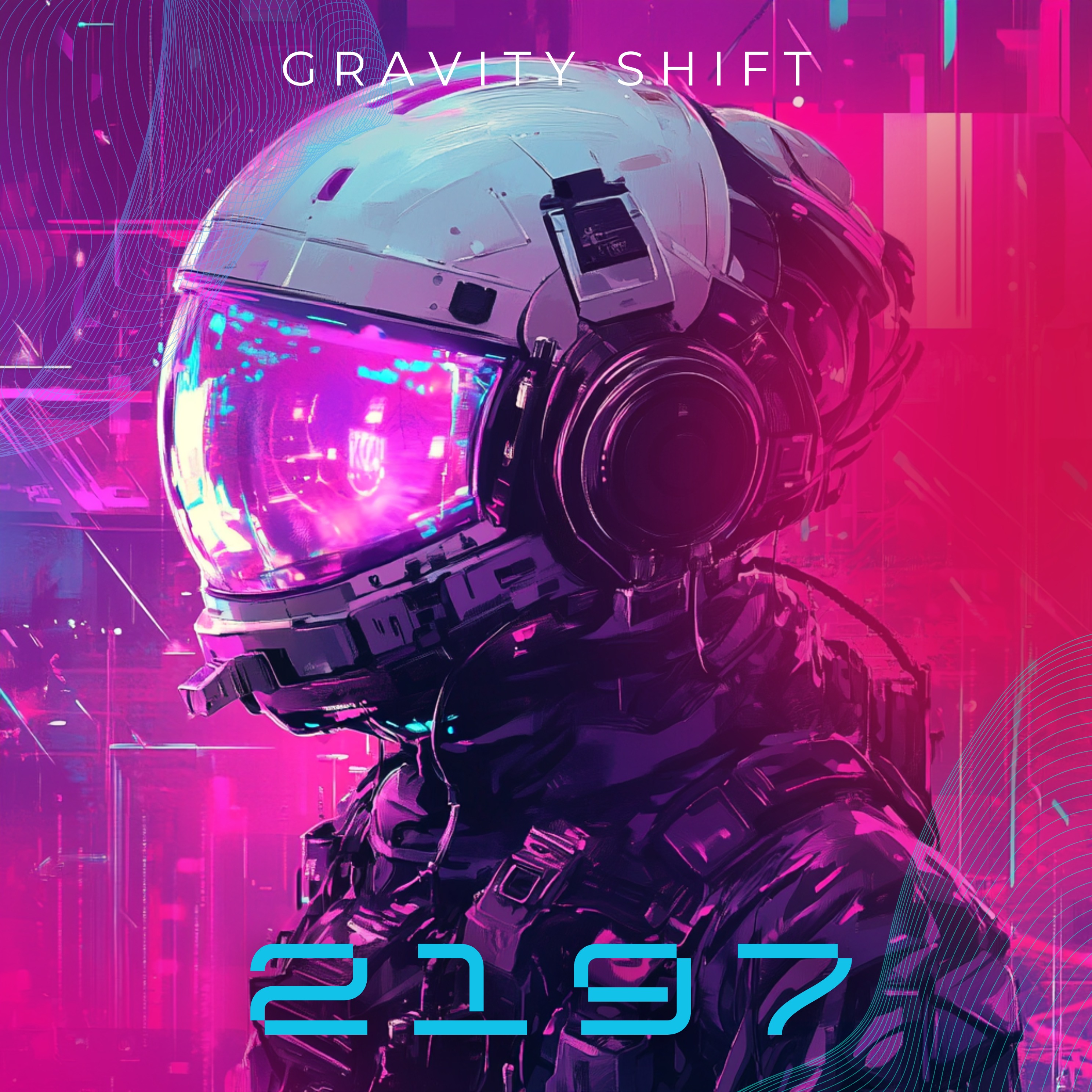
US-based producer 2197 is operating squarely at the intersection of all three of these currents. Tracks like Gravity Shift, Solar Corona, and Return to the Moon read almost like a concept arc — a journey outward and back, charged with the kind of kinetic optimism that feels genuinely rare in a genre that spent too long chasing darkness. The titles alone signal intentionality. The execution delivers on it.
This is what makes right now so compelling for electronic music. The infrastructure — streaming algorithms, playlist culture, short-form virality — has never been better calibrated to reward producers who lead with vision over formula. Artists like 2197 aren't riding a trend. They're arriving exactly when the genre is ready to hear them.