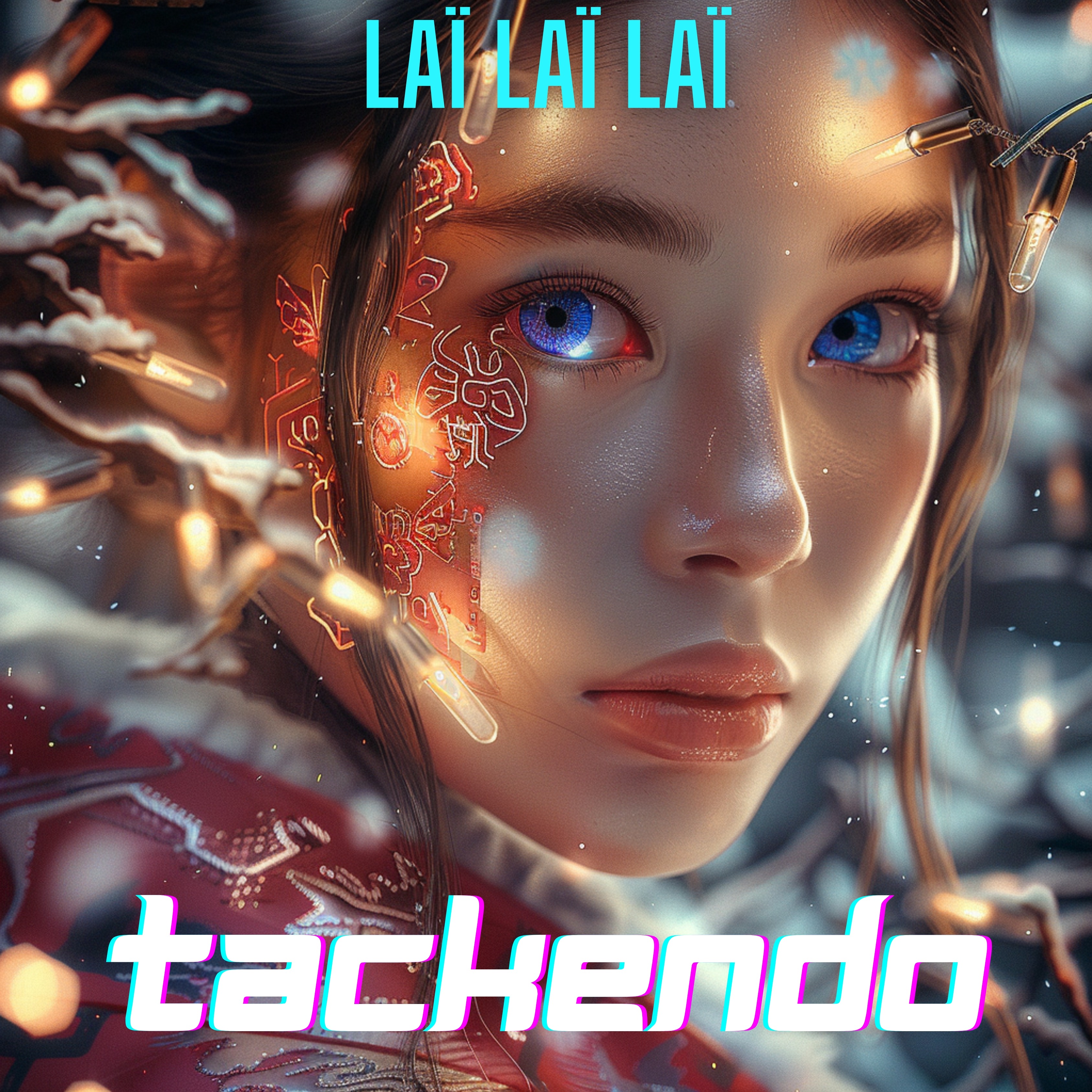

Electronic music has spent the better part of three decades being defined by a handful of European capitals — Berlin's techno orthodoxy, London's bass mutations, Amsterdam's festival machinery. But something meaningful is shifting. By 2025, the genre's creative energy is decentralizing fast, and the artists driving the most compelling work are the ones refusing to treat Western club culture as the default setting.
The Trends Rewriting the Rules
First, there's the global fusion surge. Streaming data consistently shows that listeners under 30 are gravitating toward electronic tracks that carry cultural specificity — Afrobeats-inflected house, Arabic maqam scales over four-to-the-floor kicks, South Asian rhythmic frameworks dropped into breakbeat structures. Spotify's editorial playlists have responded accordingly, carving out dedicated space for what some are calling "world-rooted electronic." It's not novelty. It's a genuine hunger for music that sounds like somewhere.
Second, mood-driven discovery is now the dominant listening behavior. Algorithmic curation has conditioned audiences to seek emotional texture first, genre second. Tracks tagged as simultaneously euphoric and unsettling — happy on the surface, something stranger underneath — are outperforming straightforward bangers in mid-tier playlist placement and save rates. Ambiguity is commercially viable now, which is a genuinely new development.
Third, the album format is quietly making a comeback in electronic music, but remixed — artists are releasing small, thematically coherent clusters of three to five tracks that function as micro-worlds rather than single-driven campaigns. Cohesion is being rewarded again.
Where Tackendo Fits
Japan's Tackendo arrives at precisely the right moment to benefit from all three of these currents. A track like "Laï Laï Laï — EDM Oriental Mix" doesn't just gesture at cross-cultural synthesis; it commits to it, layering Eastern melodic sensibility over contemporary EDM architecture in a way that feels earned rather than decorative. "FBI Desk" leans into that productive tension between the playful and the paranoid — exactly the kind of dual-mood texturing that algorithmic playlists are actively surfacing right now. And "Gimme a Piece of Licorice" brings a lightness that prevents the project from becoming too self-serious, which is a genuine curatorial asset.
Why Now Matters
Electronic music is in one of its most genuinely open moments since the mid-nineties. The gatekeepers have multiplied to the point of irrelevance, and listeners are actively seeking out the unfamiliar. For artists like Tackendo, operating from outside the traditional axis of electronic music's power centers, that's not a disadvantage anymore. It's the whole point.