
Electronic music in 2025 is having an identity crisis in the best possible way. The genre that once prided itself on futurism and anonymity is increasingly defined by cultural specificity — producers rooting their sound in place, memory, and tradition rather than chasing the next universal drop. After years of algorithm-flattened playlists and template-driven club tracks, listeners are hungry for something that sounds like it couldn't have come from anywhere else.
Three Forces Reshaping the Sound
First, streaming geography is fragmenting in productive ways. Spotify's 2024 internal data confirmed that mood-based and regional playlists are outperforming genre playlists in engagement metrics. Listeners don't just want "electronic" — they want electronic that feels like something. That shift is quietly rewarding producers who bring distinct cultural textures to the table.
Second, the oriental and Mediterranean sonic palette is having a genuine moment. From İstanbul to Cairo to Marseille, producers are threading maqam scales, hand percussion, and coastal warmth into club-ready frameworks. This isn't appropriation tourism — it's artists from within these traditions reclaiming the production chair. The result is a strain of electronic music that carries real emotional weight alongside its dancefloor function.
Third, the extended mix is back as an artistic statement. As DJ culture reasserts itself post-pandemic and vinyl pressing queues stretch to eighteen months, producers are once again thinking in long arcs — building tension slowly, letting atmosphere breathe. The extended cut isn't just a DJ tool anymore; it's a different kind of storytelling.
Where Tackendo Fits
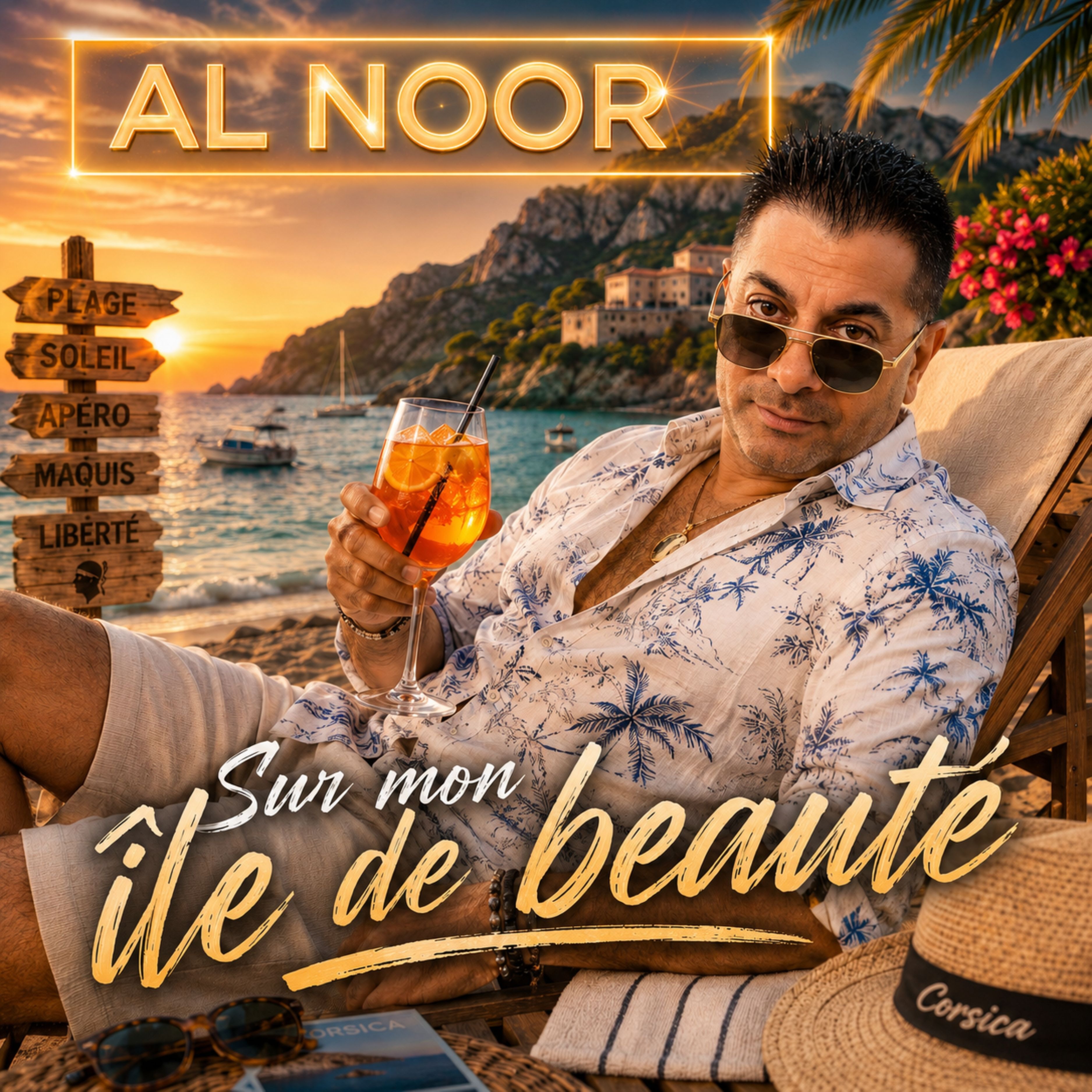
Japan's Tackendo arrives at exactly the right moment. Tracks like Sur Mon Île de Beauté — released in both an Original Mix and a Corsican Extended version — operate at the intersection of all three of these currents. There's a Mediterranean warmth to the melodic language, a structural patience in the extended arrangement, and a mood that sits beautifully in that happy-yet-mysterious emotional register that playlist curators are actively hunting for. Then there's Laï Laï Laï (EDM Oriental Mix), which takes that cross-cultural instinct somewhere more kinetic — proof that this isn't a one-note aesthetic but a genuine artistic perspective.
What makes Tackendo's position compelling is the cultural distance involved. A Japanese producer channeling Corsican and oriental influences isn't contradiction — it's precisely the kind of boundary-dissolving curiosity that defines where electronic music is heading.
The next eighteen months will belong to artists who sound like themselves first and like a genre second. That window is wide open right now — and Tackendo is already walking through it.