Rap in 2025 is not having an identity crisis — it's having an identity explosion. The post-Drake, post-Kendrick discourse cycle has left the genre in a genuinely fascinating place: listeners are hungry for authenticity, aggression with intention, and artists who don't mistake loudness for presence. The numbers reflect it. Streaming data from the first half of 2025 shows rap remaining the most-consumed genre globally, but the shift is in how it's being consumed — shorter discovery windows, playlist-first behavior, and a massive appetite for tracks that hit hard within the first eight seconds.
Three Trends Reshaping the Sound
First, the return of functional aggression. After years of mumble-era hangover and emo-rap dominance, listeners are gravitating back toward rap that commands physical space — music built for gym sessions, pregame playlists, and late-night drives with the windows down. Radio-formatted rap tracks with punchy hooks and kinetic production are outperforming their softer counterparts on algorithmic playlists by a measurable margin.
Second, the romance-aggression hybrid is having a genuine moment. Artists threading needle between street credibility and emotional vulnerability — without falling into the trap of either posturing or oversharing — are building the most loyal audiences. Think of it as confidence with depth. Listeners want to feel seen and hyped simultaneously.
Third, the radio edit is back as an art form. With sync licensing, FM radio partnerships, and brand-facing playlists all demanding clean, tightly structured cuts, artists who understand how to craft a compelling radio version — not just a censored afterthought — are accessing revenue streams that streaming-only artists miss entirely.
Where Sammy Cain Fits In
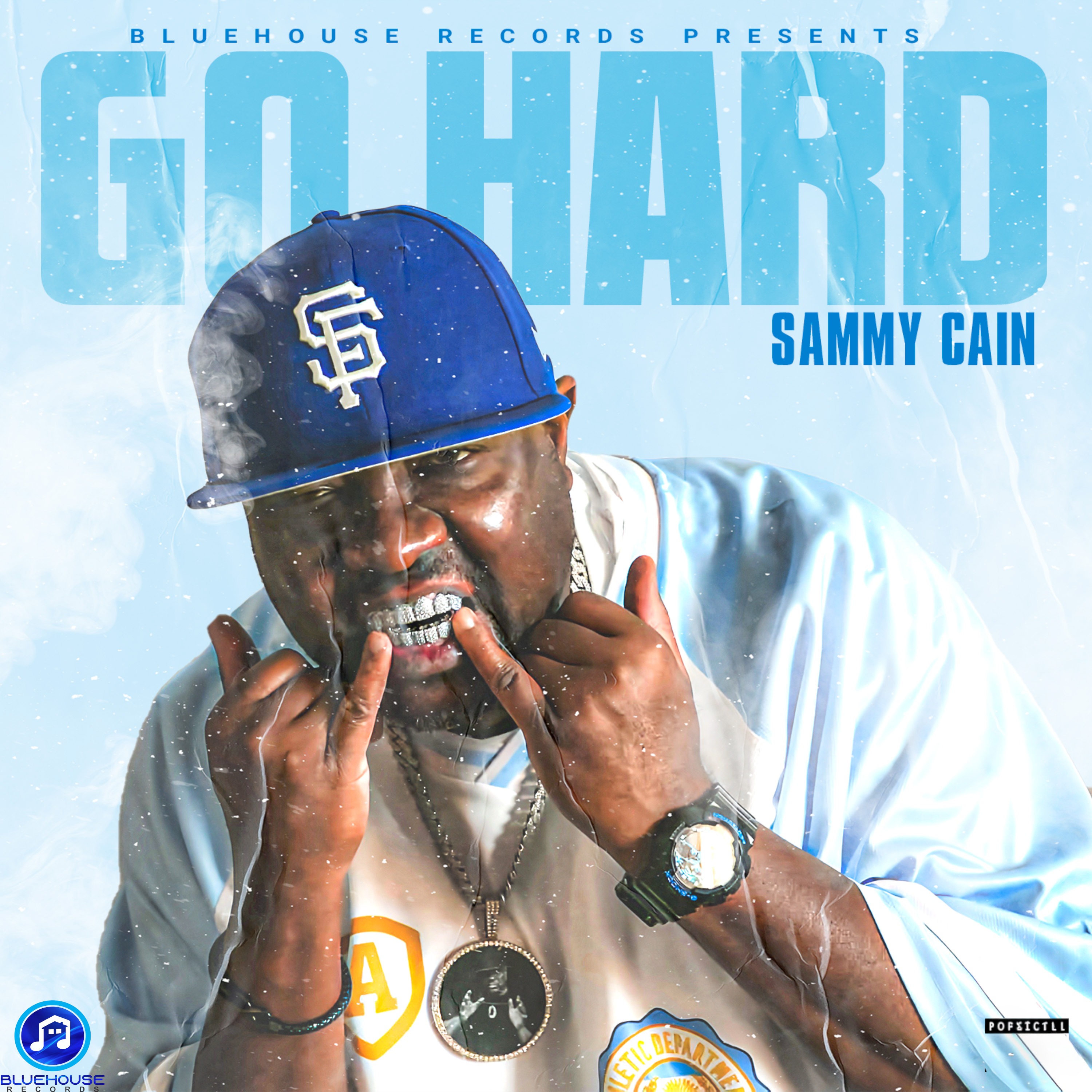
Enter Sammy Cain. The U.S.-based rapper's current catalog reads like a direct response to exactly these conditions. "Go Hard (Radio)" lands in that functional aggression sweet spot — structured for radio without sacrificing the kinetic intensity that makes it playlist-worthy. "Visa" taps the romance-aggression hybrid with the kind of swagger that doesn't apologize for itself. And "AirBnB - Radio Edit" shows an artist who understands the business architecture of modern rap distribution, not just the creative side.
What's notable is the range. Energetic, romantic, aggressive — these aren't contradictions in Cain's world, they're a full emotional toolkit deployed across a tight, purposeful body of work.
The artists who survive — and thrive — in this era of rap will be the ones who treat every format, every mood, and every listener touchpoint as intentional. Sammy Cain is clearly paying attention. In a genre rewriting itself in real time, that awareness is everything.