Rap in 2025 is not having an identity crisis — it's having an identity explosion. The genre that once operated on coastal binaries and regional gatekeeping has fractured into dozens of simultaneous movements, each with its own streaming ecosystem, aesthetic code, and loyal subscriber base. And paradoxically, that fragmentation is creating space for individual voices to cut through harder than ever.
Three Shifts Defining the Sound Right Now
First, the short-form attention economy is reversing itself. After years of TikTok-optimized hooks cannibalizing full projects, listeners are returning to replay-heavy tracks with actual replay value — songs that reward the third and fourth listen. Artists who can sustain energy across three minutes are winning streaming algorithms that now weight completion rates and saves over passive plays.
Second, the emotional range of rap is widening. The false binary between trap's stoicism and emo rap's vulnerability is dissolving. The artists gaining ground in 2025 are those who can shift registers — aggressive one bar, disarming the next — without losing credibility. Listeners raised on Kendrick's tonal complexity and Cardi's fearless pivots expect that range as a baseline now, not a bonus.
Third, independent rap is no longer a consolation bracket. With major labels increasingly functioning as distribution arms rather than development machines, artists who own their masters and control their release cadence are outperforming in longevity metrics. The hustle is the brand. The catalog is the leverage.
Where Sammy Cain Enters the Frame
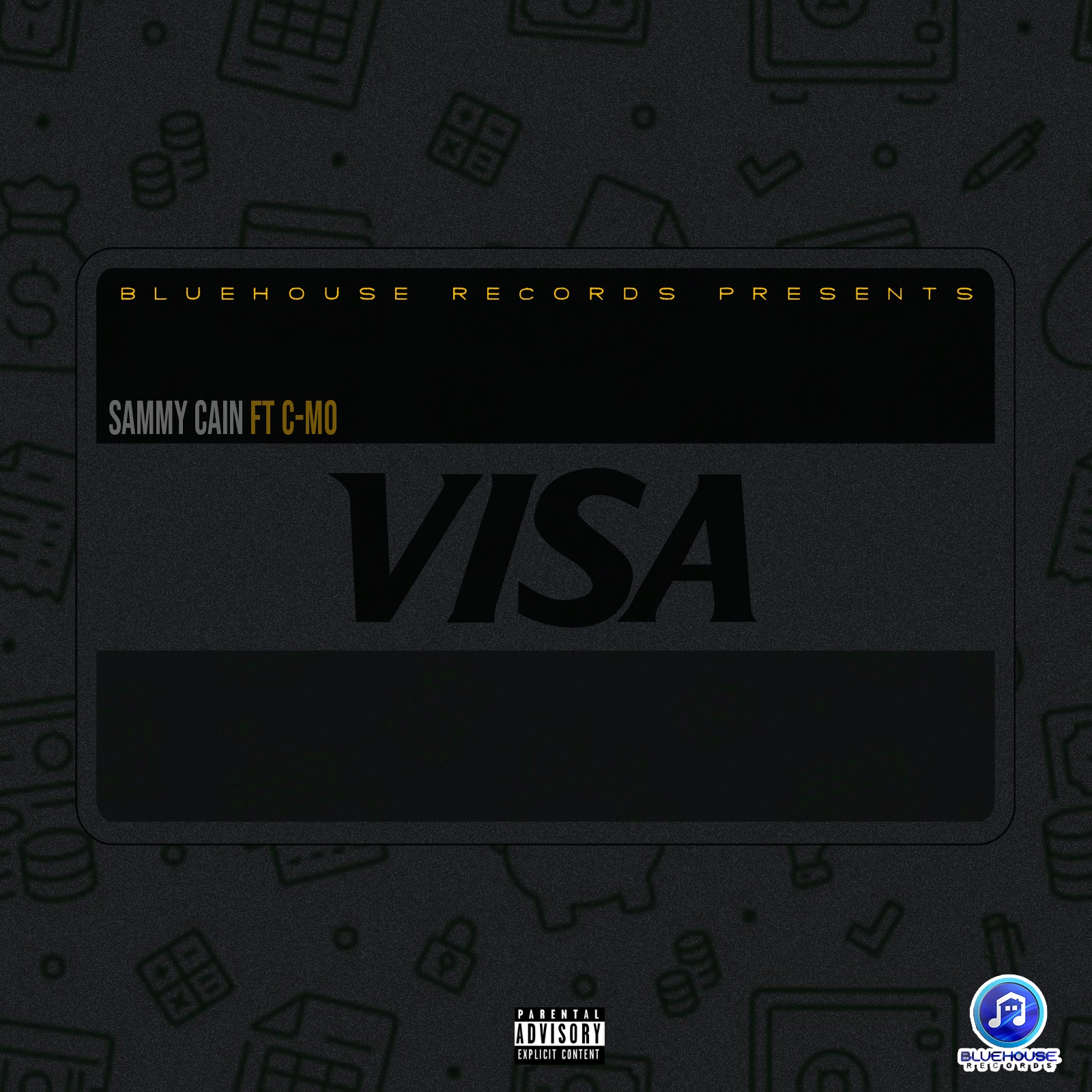
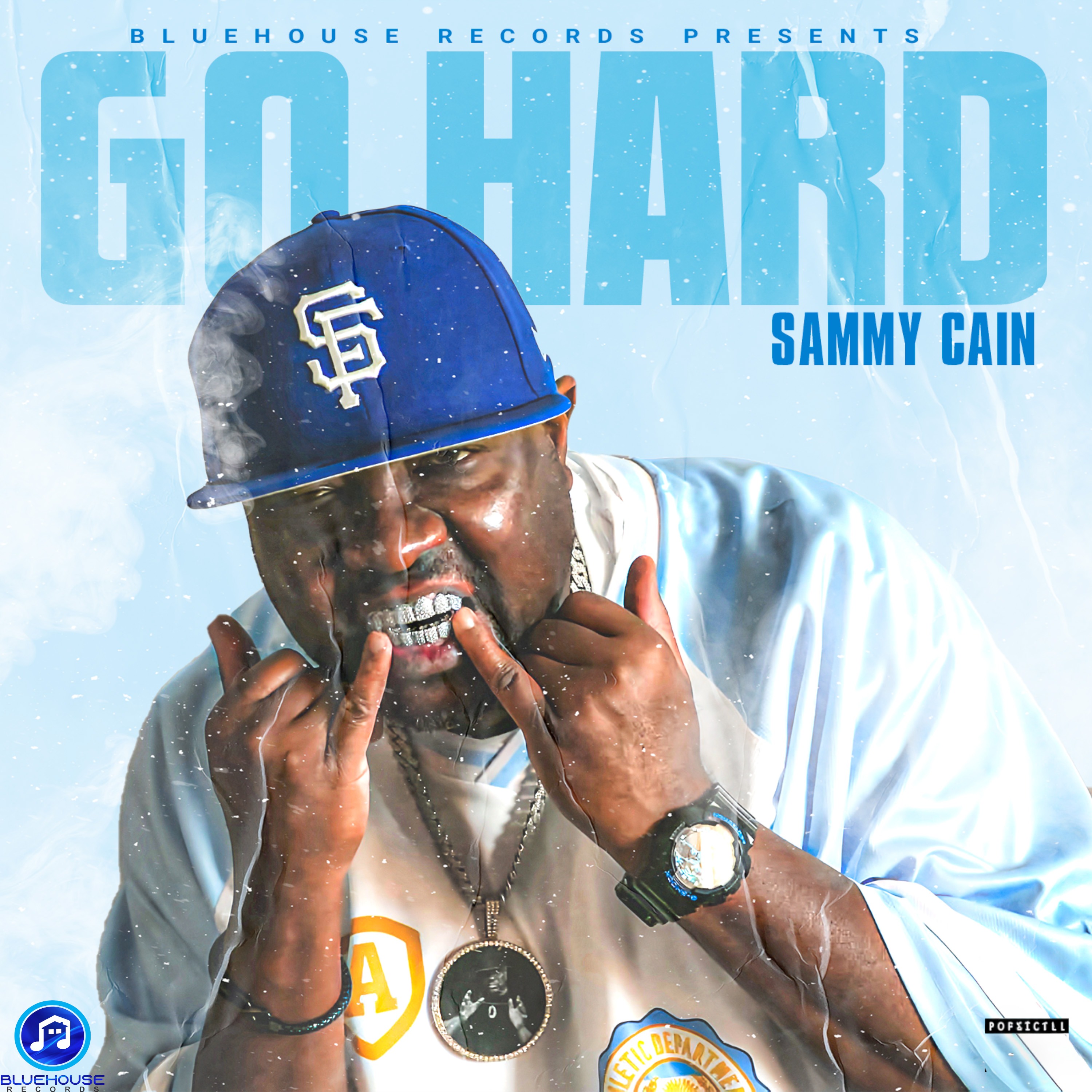
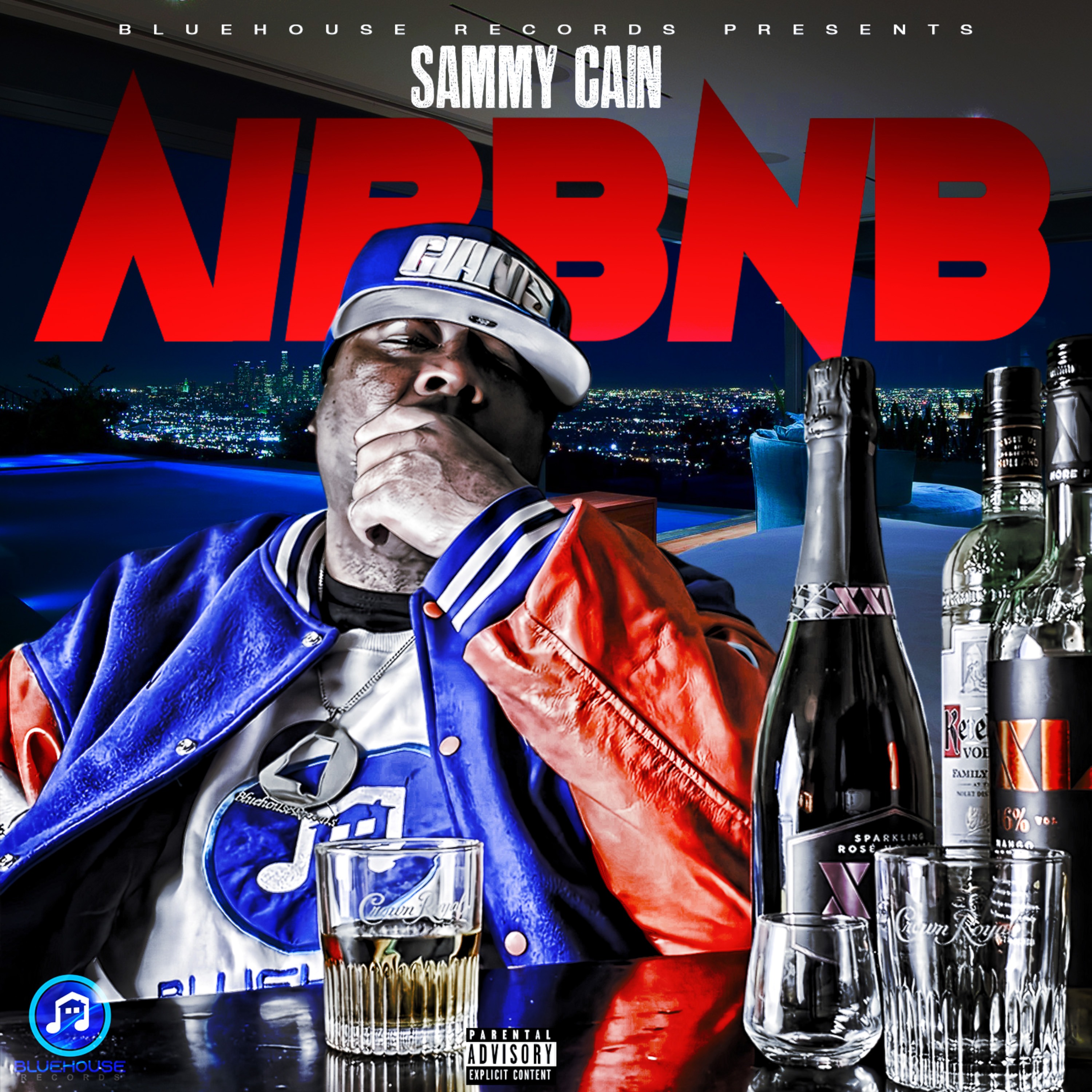
Sammy Cain is operating at the intersection of all three shifts. Tracks like "Go Hard" and "Visa" are built for that completion-rate algorithm — aggressive enough to lock attention from the first bar, layered enough to justify repeated plays. There's no wasted space, no filler eight-bar run. "AirBnB" (Radio Edit) demonstrates something rarer: the ability to inject a romantic undercurrent into an otherwise high-voltage set without deflating the energy. That tonal flexibility — the push between relentless drive and genuine feeling — is exactly what 2025's rap audience is rewarding.
Cain's approach reflects a broader truth about where rap is heading: hunger is back as a core value. Not nostalgia for a harder era, but a forward-facing appetite — for money, recognition, and emotional honesty in the same breath.
The pipeline is open. The audience is listening closer than ever. And artists like Sammy Cain are exactly the reason this moment in rap feels less like a transition and more like an ignition.