Rap in 2025 is not having an identity crisis — it's having an identity explosion. The genre that once sorted itself neatly into coastal rivalries and stylistic camps has become something far more slippery and far more interesting. Drill bleeds into melodic trap, hyperpop producers are cutting beats for street rappers, and the most-streamed verses of the year sit comfortably between aggression and vulnerability without apologizing for either. The old binaries are gone. What's replacing them is a generation of artists who refuse to be one thing.
Three Shifts Reshaping the Sound
First, streaming playlisting has fundamentally rewired how rap songs are built. With Spotify's mood-based editorial playlists and YouTube's algorithm rewarding emotional contrast, tracks that can open hard and land soft are outperforming one-note bangers. Listeners aren't just pressing play — they're curating emotional journeys, and artists who deliver range within a single cut are winning the retention game.
Second, the sonic palette has widened dramatically. 808s are sharing space with live guitar loops, Afrobeats percussion, and even orchestral swells. The influence of Nigerian Afrobeats and UK rap on American artists has pushed production into more textured, layered territory. Aggression doesn't have to sound sparse anymore — it can be lush.
Third, rap's audience is growing younger and more international simultaneously. Gen Z listeners in Brazil, Nigeria, and Southeast Asia are consuming American rap voraciously while also demanding that it meet them emotionally. Romance, ambition, flexing, and vulnerability now coexist in the same fanbase — and increasingly, in the same song.
Where Sammy Cain Fits
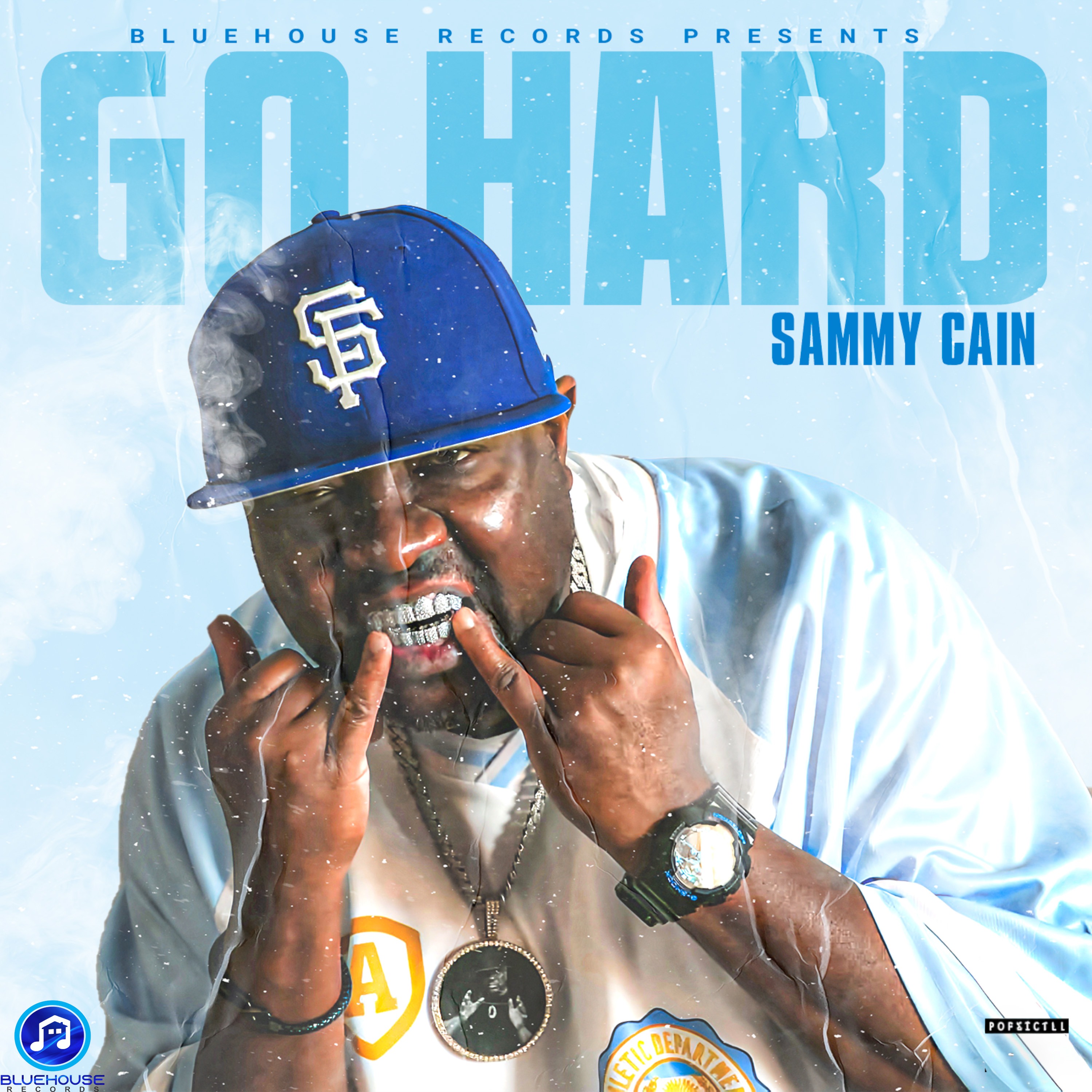
This is precisely the landscape that makes an artist like Sammy Cain worth paying attention to. His catalog — anchored by tracks like Go Hard (Radio), Visa, and AirBnB (Radio Edit) — operates across exactly the emotional bandwidth that 2025 rewards. Go Hard delivers the kind of kinetic, chest-forward energy that belongs on a workout playlist and a pregame rotation in equal measure. Visa pivots into something more aspirational and romantic, nodding to the flex-with-feeling mode that artists like Rod Wave and EST Gee have made commercially viable. AirBnB threads lifestyle narrative through a production pocket that feels current without being trend-chasing.
What Cain understands — whether instinctively or strategically — is that range is the new credibility. In a genre that once penalized artists for showing too many sides, 2025 rap is actively rewarding it. The window is open, the algorithm is listening, and artists built for emotional contrast are exactly what the moment is calling for.