Rap in 2025 doesn't have a center anymore — and that's exactly what makes it so alive. The post-Drake, post-Kendrick landscape has fractured beautifully, splintering into regional pockets, mood-driven playlists, and artist-led movements that bypass traditional gatekeepers entirely. The genre that once needed radio to survive is now being built track by track, algorithm by algorithm, on the strength of personality and sonic identity alone.
The Trends Reshaping the Sound
Three forces are driving rap's current evolution. First, streaming behavior has become hyper-contextual — listeners aren't just consuming albums, they're curating emotional states. Gym rap, late-night rap, situationship rap — Spotify and Apple Music's data consistently shows that mood-tagged rap tracks outperform genre-tagged ones in repeat listens. Artists who can occupy multiple emotional lanes are winning. Second, sonic texture is back at the forefront. After years of melodic rap dominating, there's a measurable appetite for aggression — raw 808s, staccato flows, lyrics that feel like they're daring you to keep up. The success of artists in the drill-adjacent and trap-evolved spaces signals that listeners want to feel something visceral again. Third, the romance-meets-menace duality is having a genuine cultural moment. Think of it as the tension that's always made rap compelling — the same artist who threatens can also be vulnerable, and audiences aren't just tolerating that range, they're demanding it.
Where Sammy Cain Fits
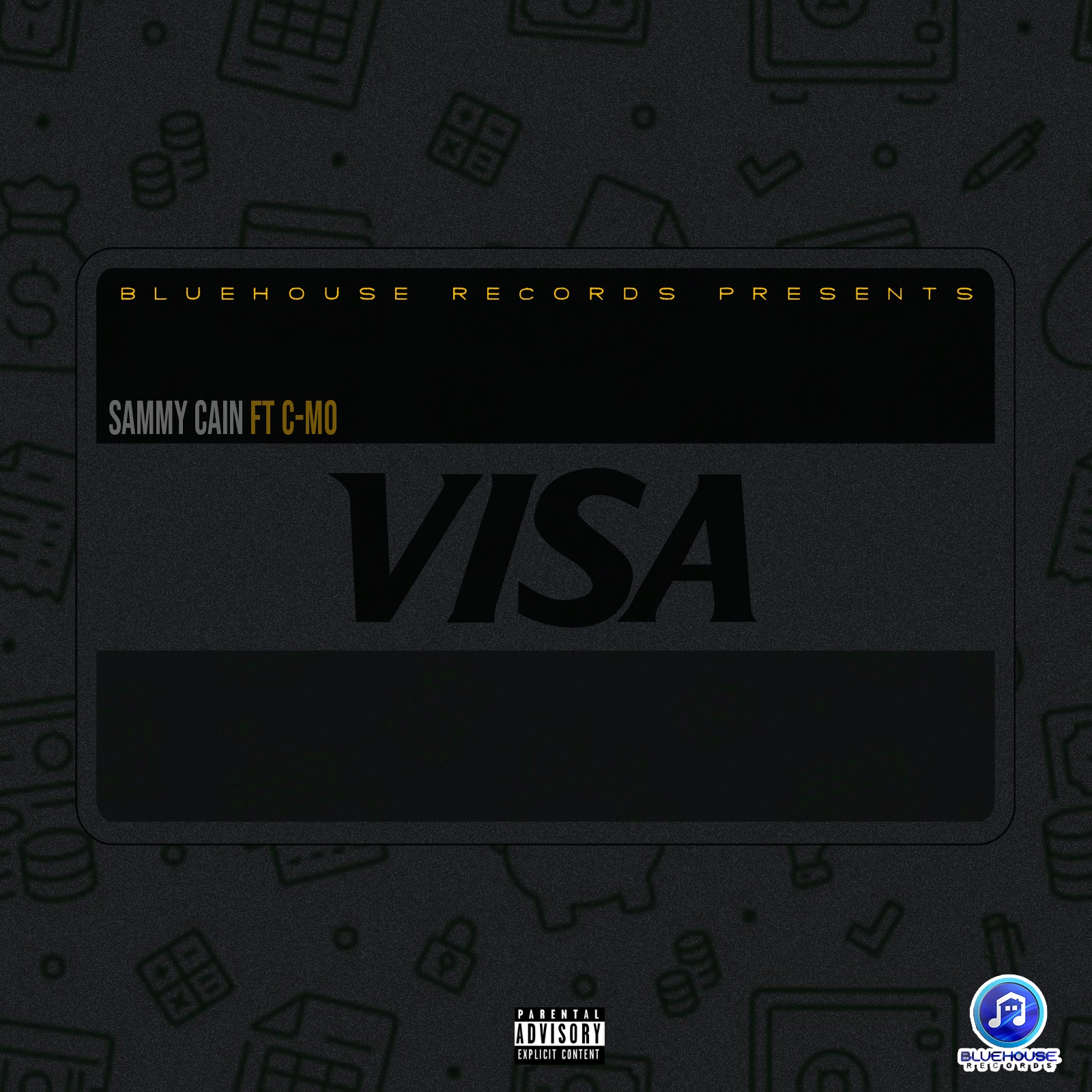
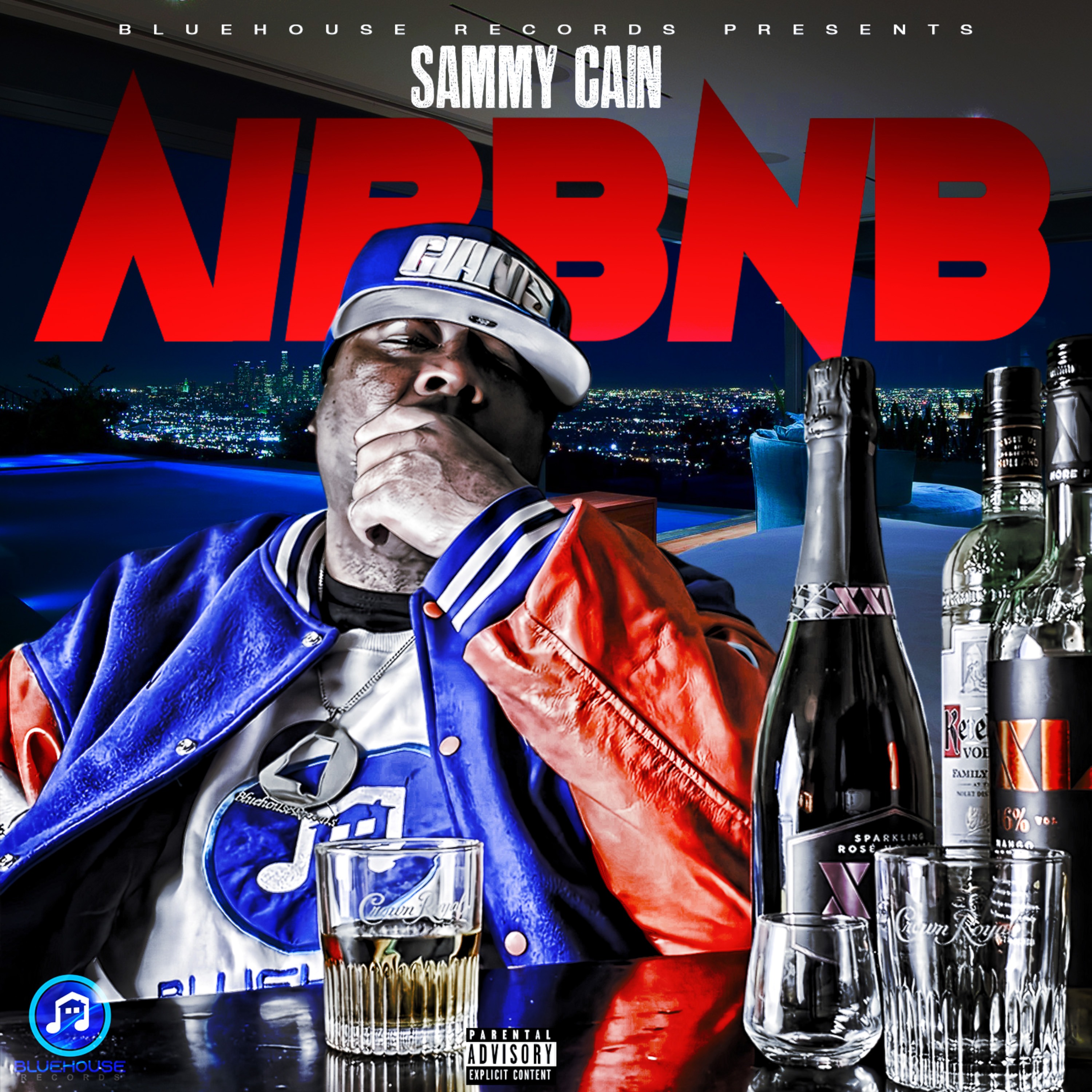
Enter Sammy Cain, a U.S.-based rapper whose catalog reads like a deliberate response to exactly these pressures. Tracks like "Go Hard" and "Visa" lean into the aggressive, high-energy space that's clearly resonating with listeners craving something with an edge — propulsive, confrontational, built for volume. But "AirBnB" (Radio Edit) reveals the other dimension: a romantic sensibility that doesn't soften the delivery so much as redirect its intensity. That push-pull between aggression and intimacy isn't an accident. It's a formula that maps directly onto how listeners actually stream rap in 2025 — bouncing between workout sessions and late-night drives without wanting to leave an artist's world.
Why Now Matters
The window for independent rap artists to build real audiences without major-label infrastructure has arguably never been wider — or more competitive. But artists who understand mood, who can be aggressive and romantic in the same breath, who treat each single as a complete emotional statement? They're the ones cutting through. Sammy Cain is working that space with intention, and in a genre rewriting itself in real time, that kind of self-awareness is worth watching closely.