
Pop music in 2025 is having an identity crisis — and that's exactly what makes it interesting. After years of hyperpop fragmentation, bedroom-lo-fi minimalism, and TikTok-engineered earworms built for fifteen-second windows, something is shifting. Listeners are gravitating back toward songs that actually want something from you emotionally. The skip rate on hollow bangers is climbing. The save rate on vulnerable, melody-forward pop is surging. The data is telling a story the algorithms didn't predict: people want to feel things again.
Three Forces Reshaping Pop Right Now
First, streaming behavior has matured. Spotify's internal listening data and third-party analysts alike have noted a marked increase in playlist saves and repeat listens for tracks tagged under romantic and emotional pop — categories that were deprioritized during the hyperpop and dark pop cycles of the early 2020s. Listeners aren't just streaming; they're curating personal soundtracks for real moments again.
Second, melody is making its commercial comeback. Post-pandemic pop saw a glut of production-heavy, vocal-chop-driven records. What's cutting through in 2026 is cleaner songwriting — hooks you can hum, chord progressions that feel warm rather than clinical. Artists from Espresso-era Sabrina Carpenter to the softer edges of Benson Boone's catalog have proven that melodic directness isn't nostalgia; it's strategy.
Third, European pop is gaining genuine cross-market traction. Italian, French, and Spanish artists are no longer confined to domestic charts or niche world-music playlists. Streaming's borderless infrastructure has flattened those barriers, and audiences in North America and the UK are actively discovering artists who sing with a sensibility rooted in Mediterranean romanticism — a warmth that anglophone pop has largely forgotten how to produce authentically.
Where Gabriele Saro Fits In
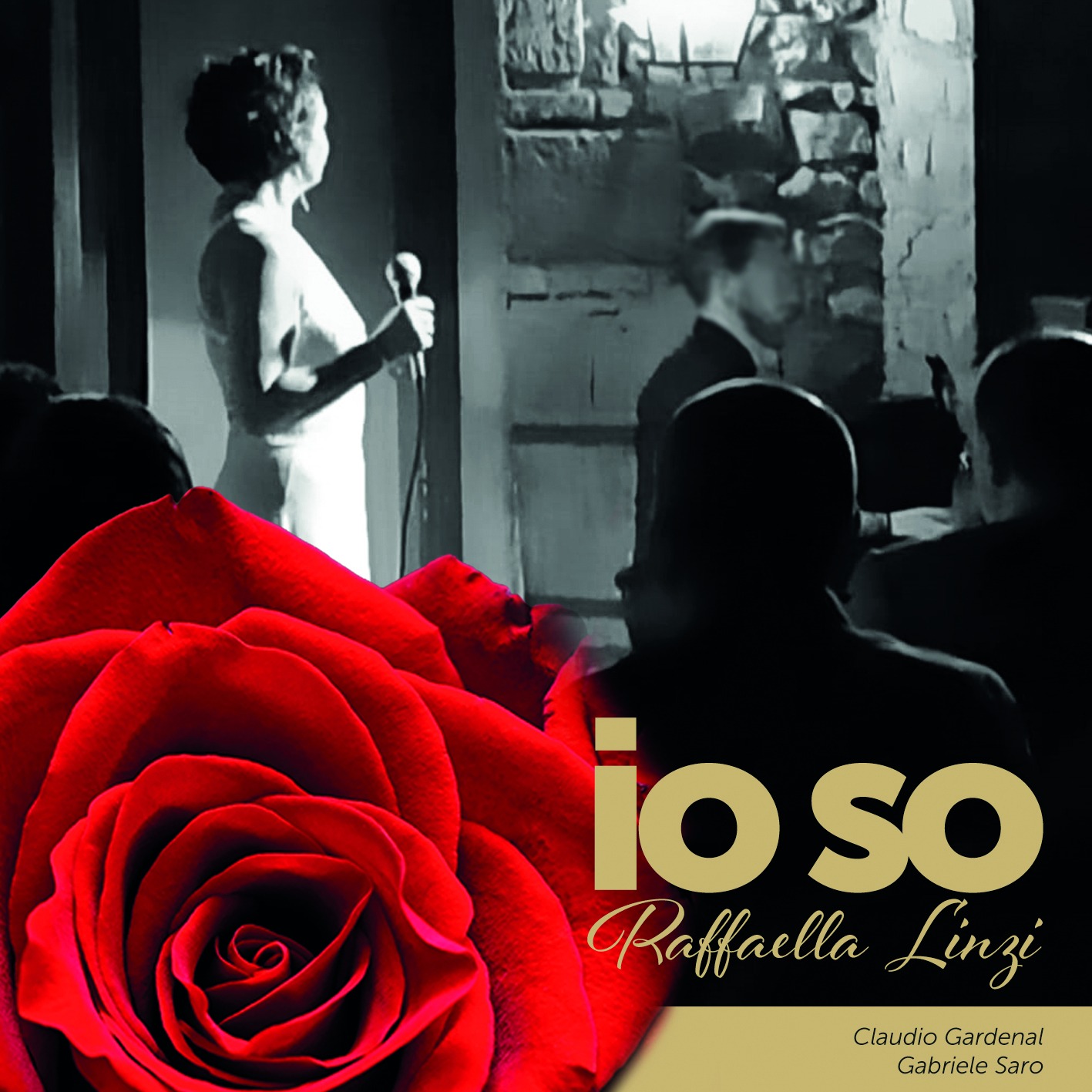
Enter Gabriele Saro, an Italian artist whose catalog reads like a direct response to everything listeners are currently craving. Tracks like "Al tuo Cuore" and "Valentine" sit comfortably in that sweet spot between romantic earnestness and polished pop production — emotionally legible without being saccharine. "I Don't Mind" adds an energetic counterpoint, demonstrating range without sacrificing the warm, happy core that defines his sound. He's not chasing trends so much as arriving at the same conclusion the market is reaching organically.
For a genre relearning how to be sincere, that timing matters enormously. Pop in 2025 and beyond belongs to artists willing to mean what they sing. Gabriele Saro sounds like he does — and that's a genuinely compelling place to be right now.