
Rap in 2025 doesn't sit still long enough to be categorized. Just when critics settle on a dominant sound — the melodic introspection of the early 2020s, the drill derivatives that swept through every regional scene — the genre pivots again. What's emerging now is a counter-swing: listeners are gravitating back toward music that hits hard on first contact, that doesn't ask you to sit with it for three albums before it makes sense. The vibe economy is real, and energy is the currency.
Three Trends Reshaping the Rap Landscape
First, short-form virality is no longer the ceiling — it's the floor. Tracks are being engineered with a hook-first architecture specifically because TikTok and Reels demand an immediate payoff, but the artists breaking through are the ones whose music survives beyond the 15-second clip. The songs with genuine replay value are dominating playlist adds on Spotify's Rap Caviar and Apple Music's Fire Starters at rates that outpace one-cycle viral moments.
Second, regional rap identity is having a serious renaissance. Atlanta, Detroit, Chicago, and Houston have always anchored the genre geographically, but 2025 has seen a new wave of artists doubling down on hyperlocal storytelling rather than chasing a pan-American sound. Authenticity of place is being rewarded by audiences who are increasingly skeptical of music that could have been made anywhere.
Third, radio — yes, radio — is quietly relevant again. Syndicated hip-hop programming and internet radio platforms have become discovery engines for audiences aged 25-40 who don't live on social media but still drive, work, and stream. This demographic has disposable income and long listening habits. Smart artists are targeting it deliberately.
Where Da City Fits
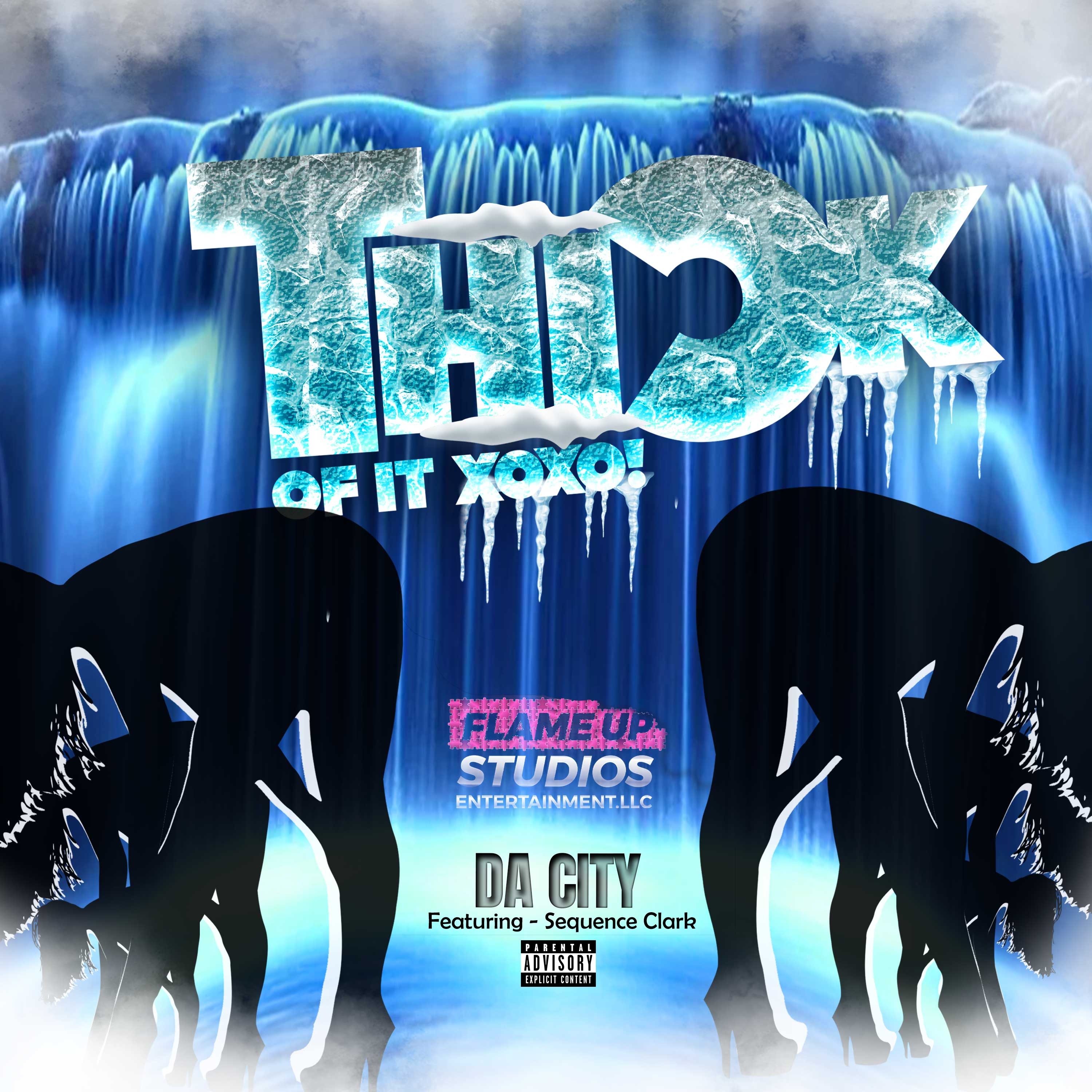
Da City's Thick of It xoxo! (Radio Edit) lands squarely inside the first and third of these currents. The track carries the kind of kinetic, front-loaded energy that stops a scroll and sustains a commute in equal measure. There's nothing tentative about the approach — it's rap that announces itself, which is exactly what radio-formatted placements require and what playlist curators are actively hunting for right now.
The broader moment here is genuinely exciting. Rap is simultaneously its most fragmented and most competitive it's ever been, which paradoxically creates more entry points for artists with a distinct identity. Audiences are sorting themselves into specific sonic tribes, and those tribes are loyal. For acts like Da City leaning into pure, unambiguous energy, the audience isn't shrinking. It's waiting.