
Rap in 2025 is not having a moment — it's having several simultaneously, and that tension is exactly what makes it fascinating. The post-Drake, post-Kendrick landscape (still reverberating from one of the most culturally significant beef cycles in hip-hop history) has cracked open a genuine vacuum at the top, and the genre is filling that space with a chaotic, thrilling scramble of regional voices, sonic experiments, and artists who learned the rules specifically so they could break them.
Three Trends Defining Rap Right Now
First, streaming behavior has shifted toward short-burst discovery. TikTok's influence on how listeners consume rap has fundamentally altered what a "hit" looks like — but there's a counter-movement happening on Spotify and Apple Music, where playlist curators are actively championing tracks with replay energy rather than just virality. Songs that hit hard on first listen and reward repeated plays are outperforming novelty tracks in long-term stream counts. Radio edits, once dismissed as compromises, are seeing renewed strategic value in this ecosystem.
Second, the sonic palette of rap is swinging back toward physicality. After years of heavily melodic, emo-adjacent rap dominating charts, producers and MCs are gravitating toward harder drums, assertive cadences, and tracks engineered to move bodies in real spaces — clubs, gyms, car speakers at full volume. The introspective era isn't dead, but the pendulum is clearly in motion.
Third, regional rap ecosystems are thriving independently in ways that don't require coastal co-signing. Artists are building genuine fanbases city by city, borough by borough, leveraging local radio, grassroots promotion platforms, and intimate live circuits before ever chasing algorithmic validation.
Where Da City Fits
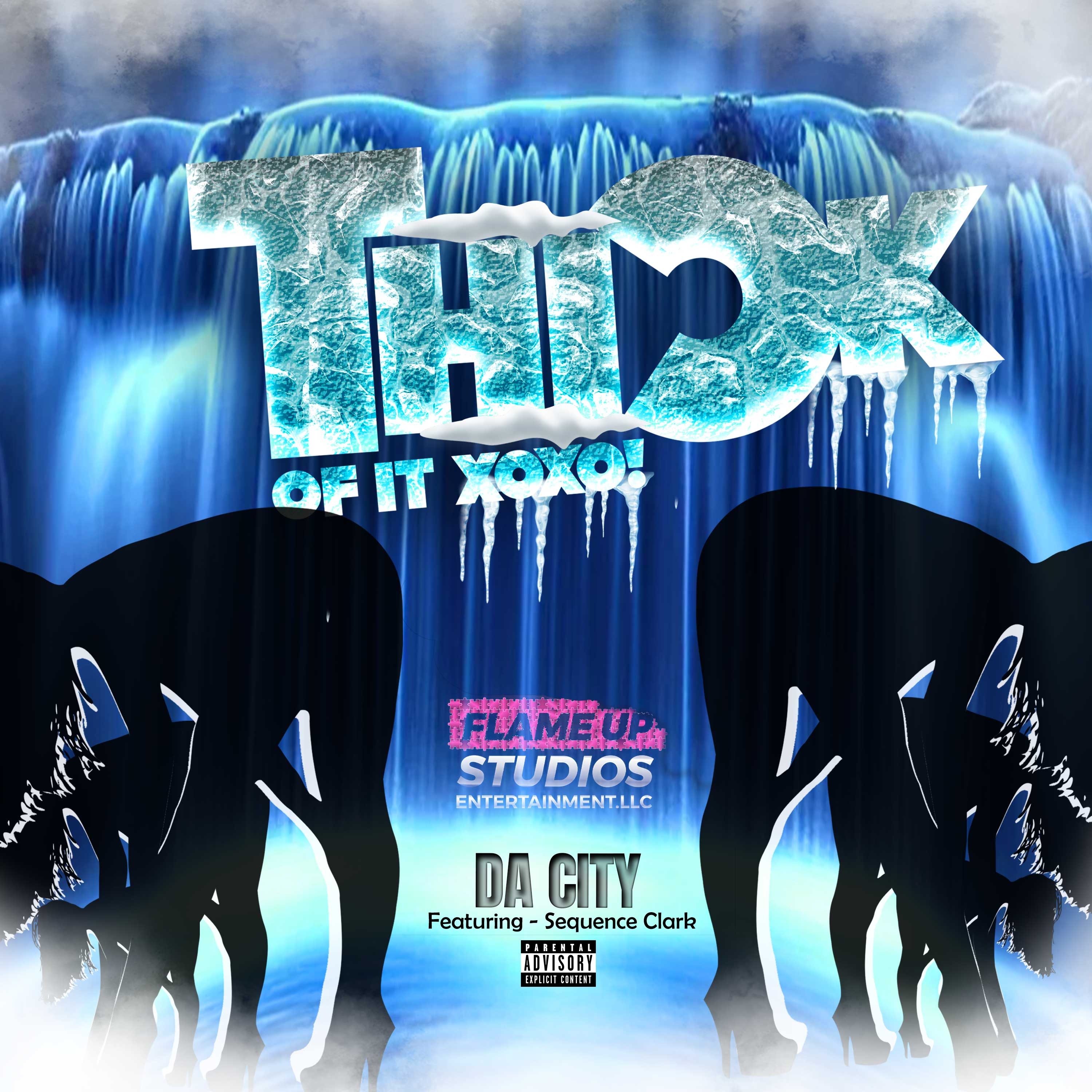
Da City's "Thick of It xoxo! – Radio Edit" lands squarely at the intersection of these converging forces. The track carries the kind of uncompromising energy that rewards the repeat listener — the type of cut that earns its place in a playlist not through novelty but through sheer kinetic force. In a moment when rap is actively rewarding artists who sound like themselves rather than trend-chasers, that directness matters. The radio edit format signals strategic awareness without sacrificing the rawness that gives the track its backbone.
The next 12 to 18 months in rap will belong to artists willing to be loud, specific, and relentless about getting their sound into the right rooms. The infrastructure for independent rap success has never been more accessible. Da City is exactly the kind of artist this moment was built for.