Something interesting is happening to Americana in 2025. The genre that spent the better part of a decade curating itself into a aesthetic — the flannel, the mason jars, the tasteful pedal steel — is quietly pulling itself apart. What's emerging from the wreckage is messier, more urgent, and significantly more interesting.
The Streams Don't Lie
Spotify's internal genre clustering data, referenced in multiple industry reports this year, shows Americana playlists increasingly pulling in listeners from folk, post-punk, and even ambient spaces. The old Americana consumer — the NPR-adjacent boomer demographic — is being joined by a younger audience that found its way through Mdou Moctar, Lankum, and Molchat Doma. These listeners want rootedness, but they don't necessarily want roots music as it was. They want the feeling without the museum piece.
Sound Is Evolving Toward Austerity
Production trends confirm this shift. The lush, reverb-soaked records that defined the Lumineers-era mainstream are giving way to something far more stripped. Artists like Zach Bryan and Waxahatchee have demonstrated that restraint sells — that dirt and grain in a recording can carry more emotional weight than a string section ever could. The focus has returned to song architecture: how a lyric lands, how a chord change earns its resolution.
The Genre Has Gone Global, Quietly
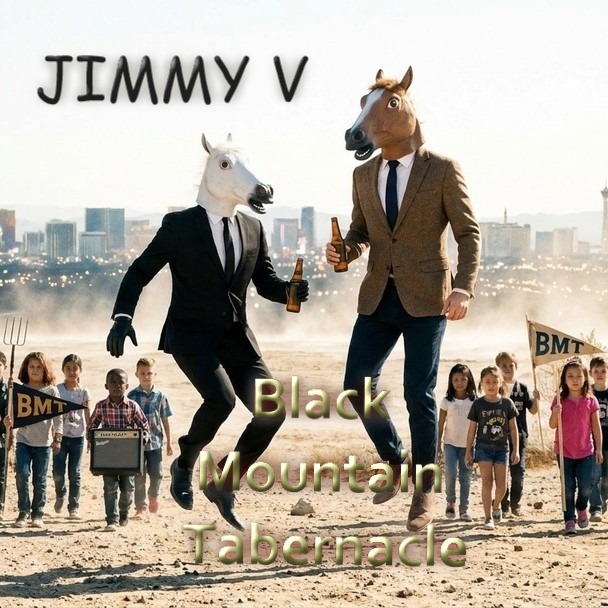
Perhaps the most significant development is geographic. Americana is no longer a purely American export — it's being reimagined by artists outside the United States who bring an outsider's precision to its mythology. This is where Black Mountain Tabernacle enters the conversation in a genuinely compelling way. A UK-based act working in this idiom isn't novelty — it's the logical continuation of a tradition that includes Richard Thompson and early Fairport Convention. Tracks like Dirt Farmer and Billy Ray suggest a project engaged with the American working-class pastoral not as appropriation but as translation — finding the universal grief and grit underneath the regional specificity. Jimmy V in particular carries the kind of plainspoken moral weight that the genre's best writing has always reached for.
Why Now Matters
The audience is primed. Algorithmic fatigue has listeners actively seeking music that sounds like it was made by human hands with something at stake. Americana — real Americana, not the branded version — offers exactly that. For artists like Black Mountain Tabernacle, the timing isn't just good. It's almost precise. The gate is open. The question now is who walks through it with something worth saying.