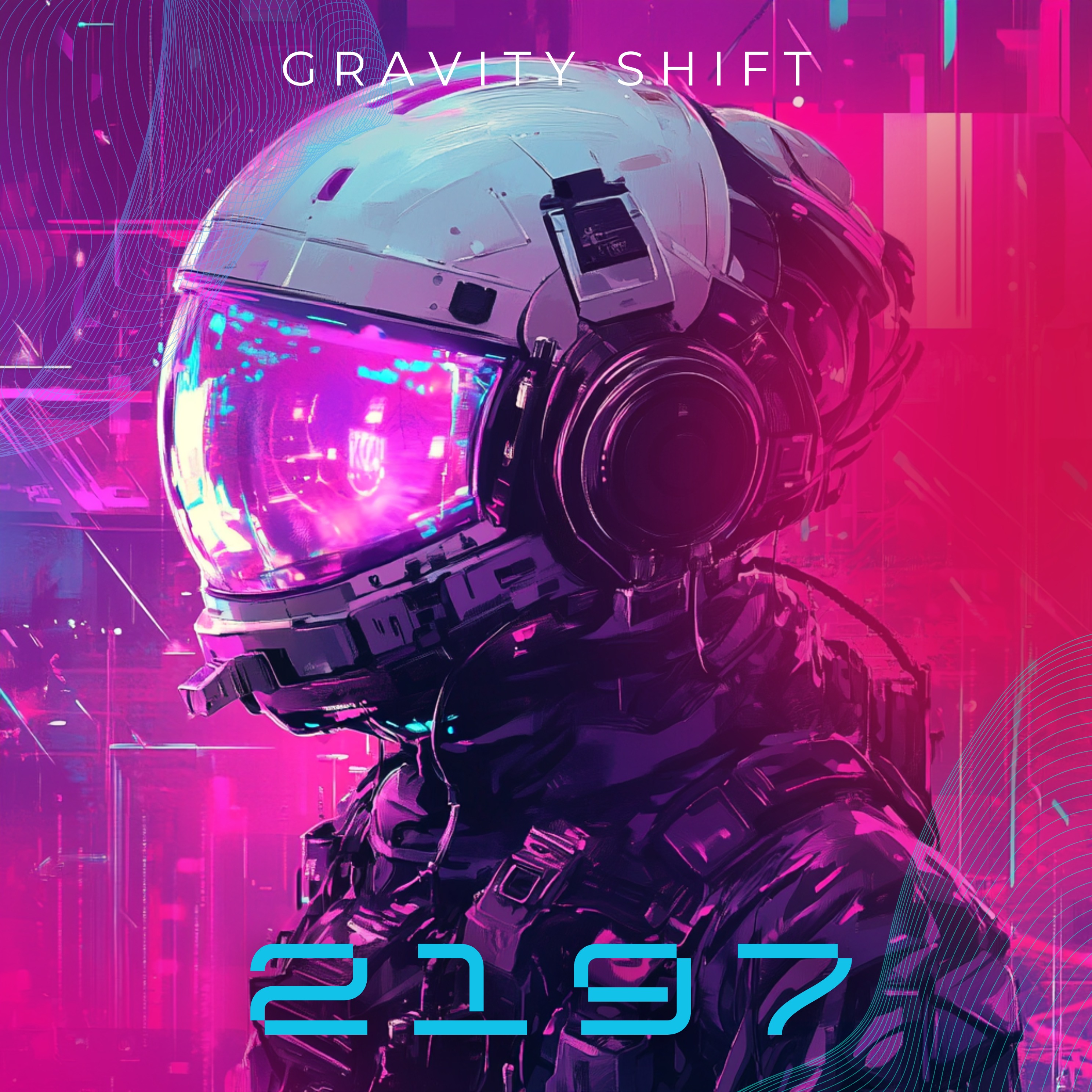

Something shifted in electronic dance music sometime around late 2024, and by 2025 it's impossible to ignore. After half a decade of EDM splintering into increasingly niche micro-genres — hyperpop, dark clubbing, ambient techno — the pendulum is swinging back toward something the genre's architects always understood instinctively: pure, uncut euphoria. The underground never really abandoned it. Now the mainstream is catching up.
The Trends Rewriting the Rulebook
First, streaming data is telling a fascinating story. Tracks with BPMs between 128 and 140 are seeing sustained playlist retention that slower, moodier electronic cuts simply can't match. Listeners aren't just queuing EDM for clubs anymore — they're running to it, working to it, commuting to it. The emotional lift that producers like deadmau5 and early Avicii delivered is back in demand, but audiences want it with more sonic sophistication than the 2012 festival era offered.
Second, sound design itself is evolving. Producers are layering cinematic, almost orchestral textures beneath traditional four-on-the-floor frameworks. Think wide, breathing synth pads colliding with hard, precise percussion — space and impact sharing the same frequency space. It's electronic music that feels vast, referencing the kind of cosmic imagery that's saturating visual culture right now, from Webb telescope photography to renewed public obsession with space exploration.
Third, audience demographics are expanding sideways rather than just growing. Gen Z listeners who grew up on hyperpop's chaos are discovering classic rave euphoria as something almost retro-futuristic — fresh because it's sincere in ways irony-saturated music never quite managed.
Where 2197 Fits
This is precisely the landscape that makes an act like 2197 worth paying attention to. The American producer's tracks — Gravity Shift, Solar Corona, Return to the Moon — read like a mission statement for where EDM is heading. The titles alone signal the cosmic-cinematic direction the genre's most forward-thinking artists are exploring, while the happy, high-energy execution connects directly to what streaming listeners are actively rewarding right now.
Solar Corona and Return to the Moon, in particular, suggest a producer who understands that space isn't cold — it's the most dramatic backdrop imaginable for music that wants to make you feel something enormous.
Why Now Matters
EDM in 2025 and 2026 is at an inflection point that only comes around once or twice a decade. The infrastructure — playlists, festivals, streaming algorithms — is actively hungry for artists who can deliver emotional scale. For producers building exactly that kind of music, the timing has rarely been better.