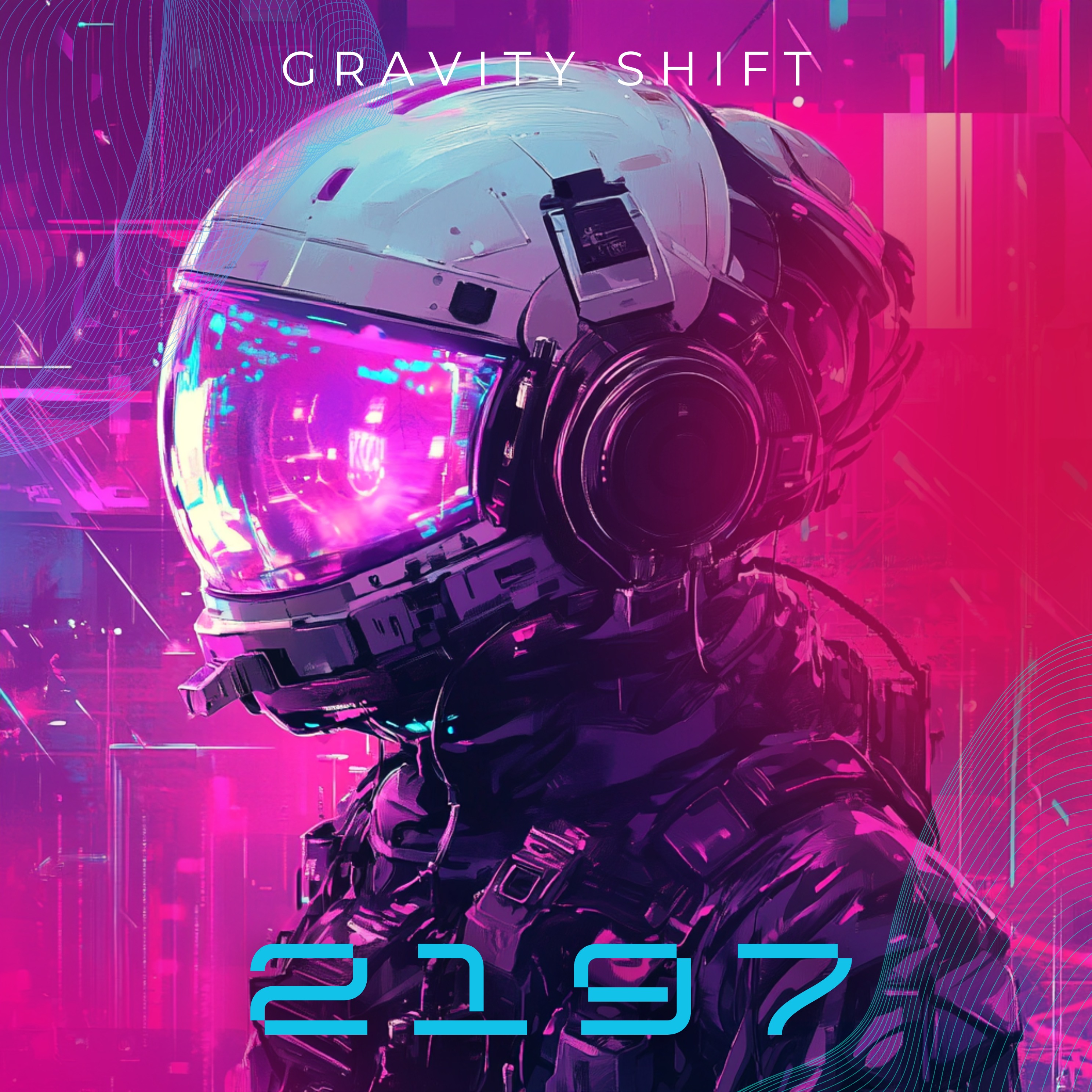

Electronic dance music in 2025 is not having an identity crisis — it's having an identity explosion. The monolithic festival-ready sound that dominated the 2010s has fractured into a dozen thriving subcultures, and streaming data is telling a story the Billboard charts haven't caught up with yet: audiences are hungry for electronic music that actually moves them, not just music that moves their bodies.
The Trends Reshaping the Genre
Three forces are quietly rewriting the rules. First, Spotify and Apple Music algorithmic playlists have become the new radio, and shorter attention spans have paradoxically rewarded producers who can build genuine emotional arcs within a track — not just a predictable drop. Second, the post-pandemic festival circuit rebuilt itself around experience over spectacle, with mid-tier stages and warehouse events outperforming the stadium-scale shows that defined EDM's commercial peak. Audiences want to feel something specific, not just something loud. Third, a distinctly American strain of optimistic, melodically driven electronic music is gaining traction against the more industrial sounds dominating European export charts — think euphoric synths, propulsive rhythms, and arrangements that reward repeat listening.
Where 2197 Fits
That third trend is exactly where 2197 plants their flag. Tracks like Gravity Shift and Solar Corona operate in the space between energy and atmosphere — the kind of music that works at peak hour but doesn't exhaust the listener. There's an intentionality to the sonic vocabulary here: space-themed conceptually, but never cold. Return to the Moon in particular demonstrates a producer who understands that happiness in electronic music isn't naïveté — it's craft. Building a track that sustains genuine euphoria across five minutes without collapsing into cheese is genuinely difficult, and 2197 does it with restraint.
The happy-energetic quadrant of the emotional spectrum is also, statistically, where streaming numbers compound fastest. Mood-based playlist culture has made feel-good electronic music one of the most algorithmically advantaged sounds in the ecosystem right now — not because it's easy, but because it's what people actually return to.
Why Right Now Matters
EDM in 2026 belongs to producers who have a point of view. The genre's next chapter isn't being written in Ibiza or Berlin — it's being written by American artists who grew up on the genre's golden era and are now old enough to do something more interesting with it. 2197 is part of that wave, and the timing couldn't be better.