
Electronic dance music in 2025 is not having an identity crisis — it's having an identity explosion. The monolithic festival-ready drops that defined the genre's commercial peak have given way to something more interesting: a sprawling, decentralized scene where melodic techno bleeds into hyperpop, where UK garage influence is showing up in Las Vegas club sets, and where listeners are actively rewarding producers who can hold emotional complexity without sacrificing the energy. The dancefloor hasn't gone anywhere. It just got more opinionated.
Three Forces Reshaping the Genre Right Now
First, streaming behavior has fundamentally changed how EDM is consumed. Playlist culture has pushed producers toward tracks with immediate atmosphere — songs that establish their world within the first fifteen seconds or risk the skip. The days of the four-minute slow-build are not dead, but they require a level of craft that separates serious producers from the pack. Second, the sonic palette is expanding outward — literally. Space and cosmological imagery have surged as aesthetic frameworks across electronic music, from the ambient-adjacent work gaining traction on Spotify's late-night editorial playlists to the cinematic synthesis dominating Beatport's melodic house charts. Listeners are craving scale. They want music that feels larger than the room they're in. Third, American EDM is quietly reclaiming its cultural authority. After years of ceding the critical conversation to Berlin and Amsterdam, U.S.-based producers are driving genuine innovation again, particularly in hybrid genres that blend club-ready construction with pop-accessible emotion.
Where 2197 Fits Into This Moment
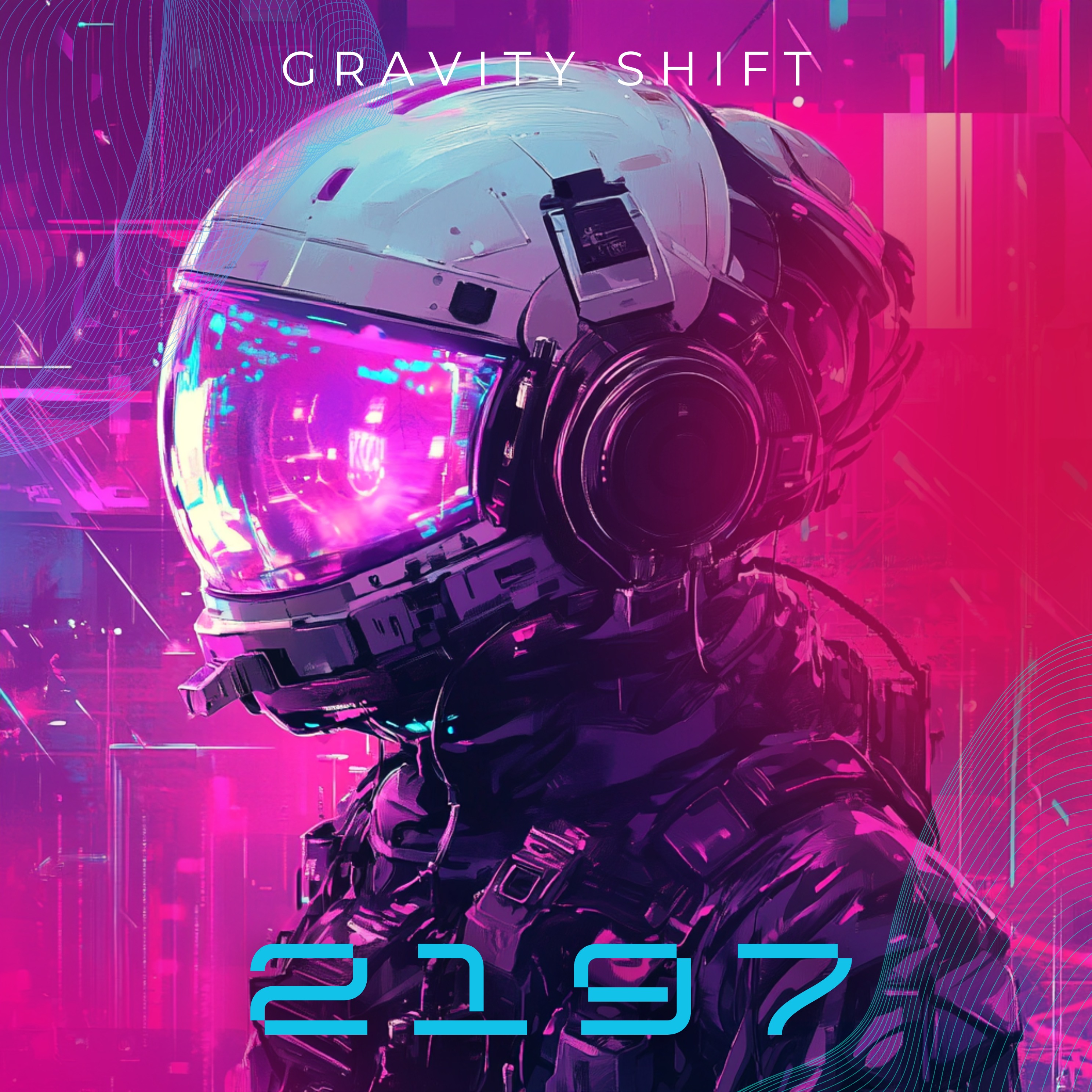
This is precisely the landscape that makes an artist like 2197 worth paying attention to. Tracks like Gravity Shift, Solar Corona, and Return to the Moon read less like genre exercises and more like a coherent thesis: that EDM can be both joyful and architecturally serious. The cosmological titling isn't aesthetic cosplay — it reflects a genuine interest in music that creates physical sensation, the kind of upward-moving energy that makes a crowd look at the ceiling. That combination of happiness and raw kinetic force is harder to engineer than it sounds, and 2197 is executing it with intention.
The timing couldn't be better calibrated. As DSPs double down on mood-based editorial curation and festival culture shifts toward more immersive, narrative-driven experiences, producers who can deliver emotional lift alongside technical precision are the ones breaking through. EDM in 2025 is rewarding ambition. The producers building worlds — not just tracks — are the ones defining what this genre sounds like next.